

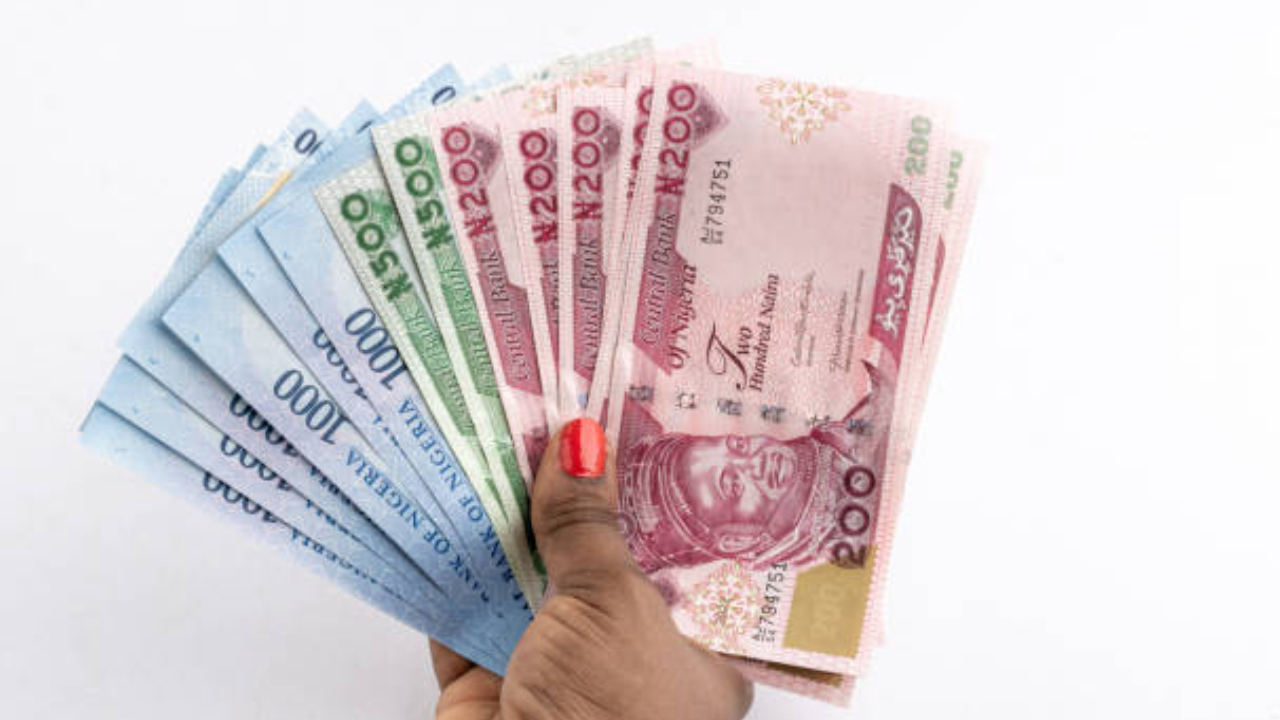

The total amount of naira in circulation decreased to ₦5 trillion as of March 2025, marking a decline from ₦5.04 trillion recorded in February 2025.
This represents a further reduction from ₦5.24 trillion in January 2025, according to the latest money and credit statistics on the website of the Central Bank of Nigeria.
Naira in circulation is the total amount of physical currency circulating in the economy, representing money that is available for daily transactions, investments, and savings.
A decrease in currency in circulation can be part of efforts to reduce inflationary pressures and manage economic stability.
In addition to the naira in circulation, the CBN’s bank reserves have increased to ₦28.52 billion in March 2025, up from ₦27.57 billion in February 2025. In January 2025, the reserves stood at ₦27.43 billion.
Meanwhile, the special intervention reserves remained unchanged at ₦284.36 million during the three-month period.
Bank reserves refer to the funds held by the Central Bank and commercial banks to ensure liquidity and financial stability within the banking sector. The steady rise in bank reserves is an indication of the CBN’s efforts to maintain financial security and stability in the economy.
As of the same period last year, The PUNCH reported that the value of Nigeria’s currency in circulation had risen to ₦3.87 trillion by the end of March 2024.
This marked an increase from ₦3.69 trillion in February and ₦3.65 trillion in January. In addition, the currency outside of banks also saw a steady rise throughout the first quarter, growing from ₦3.28 trillion in January to ₦3.41 trillion in February, and reaching ₦3.63 trillion in March.
Also, Nigeria’s money supply recorded its first decline in 2025, falling to ₦110.32 trillion in February from ₦110.94 trillion in January, data from the Central Bank of Nigeria showed.
The 0.56 per cent month-on-month drop comes amid continued efforts by the apex bank to manage liquidity in the system, following earlier signals of monetary tightening and foreign exchange adjustments.