

The Lagos state government will begin fully enforcing its ban on single-use plastics (SUPs) on July 1, 2025. Officials say this move is necessary to safeguard the environment and ensure a sustainable future for the megacity.
Tokunbo Wahab, Lagos commissioner for environment and water resources, announced the ban on Monday via a post on X (formerly Twitter). He confirmed that the state is now set to fully implement it following an 18-month stakeholder engagement process with SUP manufacturers and distributors.
“This is about environmental responsibility,” Wahab said. “We have given ample time to align with global best practices. What is unacceptable elsewhere cannot become standard in Lagos.”
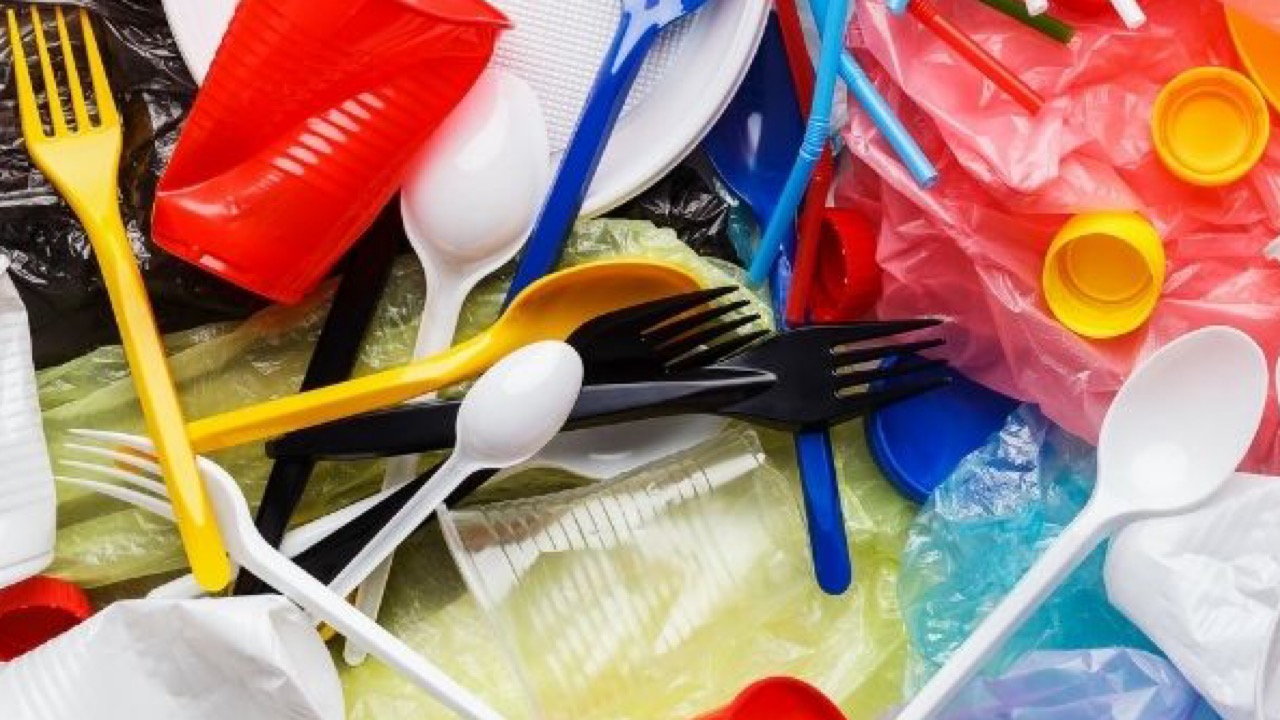
Disposable products are designed for one-time use. They include items such as plastic cutlery, straws, carrier bags, and Styrofoam containers. These materials are widely criticised for their contribution to environmental degradation, especially in coastal cities like Lagos, where poor waste disposal has dire consequences for drainage systems and marine life.
In January 2024, the Lagos government had already announced a ban on the use and distribution of Styrofoam—a branded form of extruded polystyrene foam used for packaging and takeaway food containers. That initial move triggered mixed reactions, with some residents and businesses complaining about inadequate notice and alternative options.
However, Wahab insists that the state has approached the policy with deliberation and fairness. “We have been strategic. Over the past 18 months, we’ve engaged directly with the producers and marketers of these materials to prepare them for this transition,” he said.
During a recent courtesy visit by the management of Tetra Pak West Africa, Wahab reiterated the government’s commitment to a cleaner Lagos. He emphasised that the enforcement will not be symbolic but will involve measurable compliance and consequences for violators.
“We’re not here to score points. We’re here to do the work,” he said. “Just like with the successful enforcement of the Styrofoam ban, we will insist on accountability and responsibility.”
Lagos, home to over 20 million people, generates an estimated 13,000 metric tonnes of waste daily. A significant portion of that is plastic waste, which often ends up in drains, lagoons and the Atlantic Ocean—exacerbating flooding and harming marine biodiversity.
Environmental advocates have applauded the policy, though they continue to urge the government to support alternatives and provide incentives for businesses switching to sustainable packaging solutions.
With the countdown to July underway, Lagos appears determined to show that Africa’s largest city can lead by example in the global battle against plastic pollution.
BusinessDay