


Burkina Faso’s military government has dissolved the country’s independent electoral commission, in a move critics say could further entrench authoritarian rule and delay the nation’s return to democracy.
The decision, announced via state broadcaster RTB TV, transfers electoral responsibilities from the Commission Électorale Nationale Indépendante (CENI) to the Ministry of Territorial Administration. Government officials say the dissolution is a cost-saving measure and part of efforts to reclaim “sovereign control” of the electoral process.
“Subsidised with nearly half a billion CFA francs — around $870,000 — each year, it is budget intensive,” Territorial Administration Minister Emile Zerbo said during a televised address. “This change was necessary to reinforce our sovereign control of the electoral process and at the same time limit foreign influences.”
CENI, which had historically been composed of 15 commissioners representing political parties and civil society groups, was tasked with overseeing national elections. The announcement follows growing concern among civil society actors and international observers over what they see as systematic erosion of democratic institutions in the West African nation.
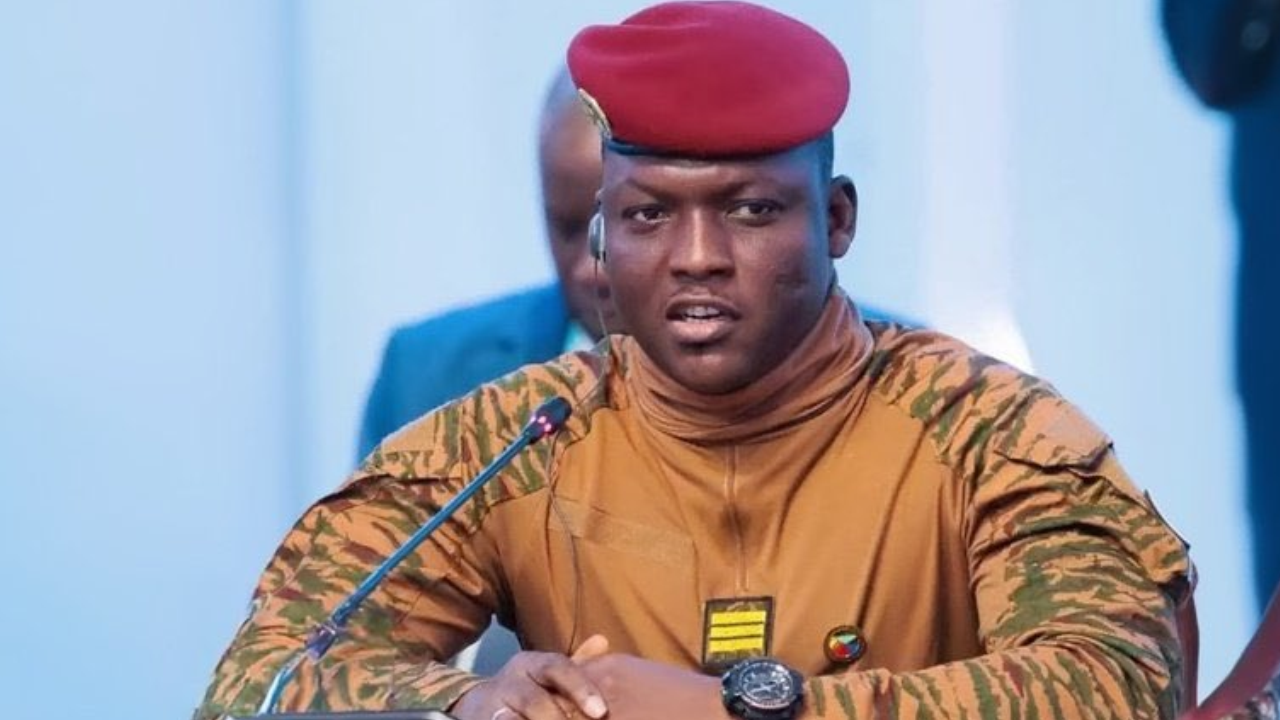
The junta, led by captain Ibrahim Traoré, seized power in a September 2022 coup, citing frustration with the civilian government’s failure to quell a spiralling Islamist insurgency. Since then, the military rulers have suspended the constitution, postponed national elections originally scheduled for July 2023, and extended their transitional mandate by five years — allowing Traoré to remain in power until at least July 2029.
The transition roadmap also enables Traoré to run in future presidential polls.
Government officials maintain that the restructuring will streamline governance and limit external meddling. But critics argue the move strips away one of the few remaining independent checks on the electoral process, consolidating power in the hands of the executive.
Burkina Faso’s military leadership has steadily pivoted away from France, its former colonial ruler, in favour of new alliances — most notably with Russia. This realignment, authorities argue, is part of a broader push for national sovereignty. But rights groups say it has come at the expense of basic freedoms.
Human rights organisations have accused the army of targeting civilians during counterinsurgency operations and cracking down on dissent. Political opposition has been muted, and press freedoms sharply curtailed under the current regime.
The latest development follows Burkina Faso’s joint withdrawal — alongside fellow military-led neighbours Mali and Niger — from the Economic Community of West African States (ECOWAS) earlier this year, further isolating the country from regional frameworks designed to promote democratic governance and stability.
Observers say the abolition of CENI will likely draw renewed scrutiny from regional and international actors already alarmed by democratic backsliding in the region.
While the junta insists that its reforms are necessary for sovereignty and security, critics warn the dismantling of democratic institutions may signal a deeper retreat from civilian rule — with no clear pathway back.
BusinessDay