

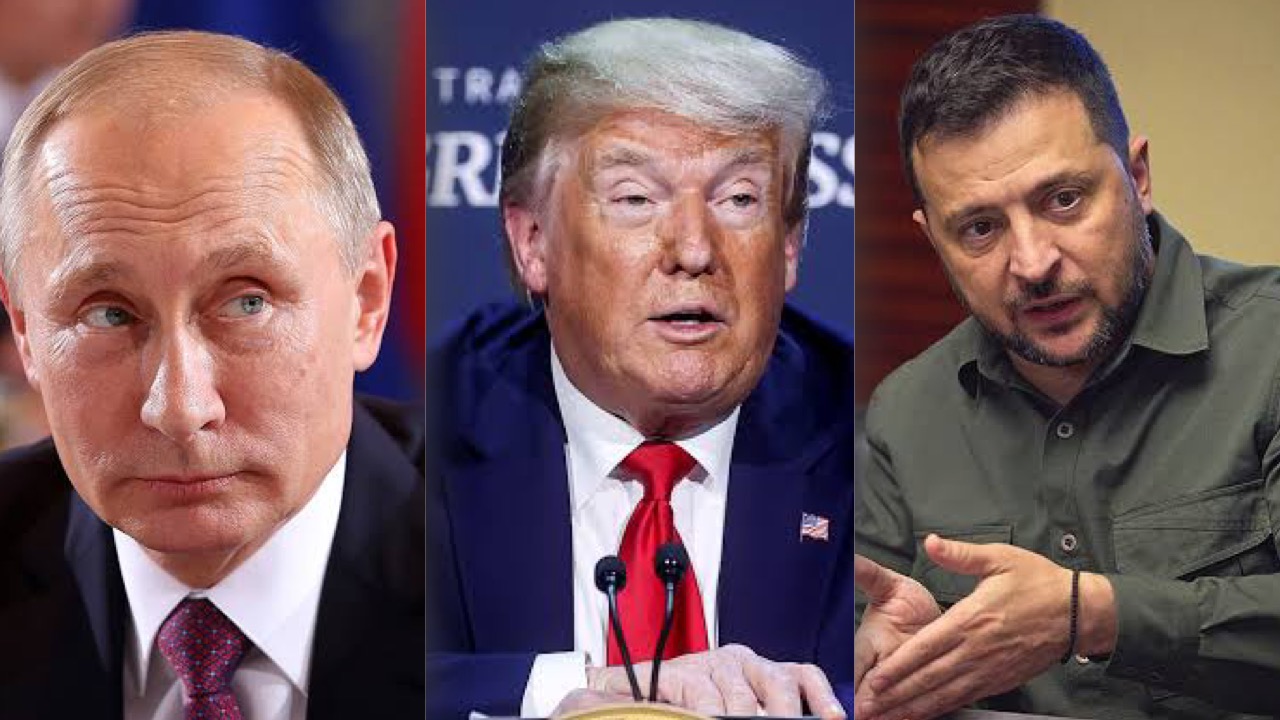

The White House has confirmed that Donald Trump, United States president, is open to holding separate and possibly joint meetings with Vladimir Putin, Russian president, and Ukrainian president Volodymyr Zelensky in what could mark a significant diplomatic shift in efforts to end the war in Ukraine.
The announcement followed a visit to Moscow on Wednesday by Steve Witkoff, U.S. special envoy, who met with Putin for nearly three hours. According to both Russian state media and Trump himself, the talks were described as “constructive” and “highly productive,” with Trump claiming that “great progress was made.”
Speaking to reporters later in the day, White House press secretary Karoline Leavitt confirmed that “the Russians expressed their desire to meet with president Trump, and the president is open to meeting with both president Putin and president Zelensky.”
Though no date or venue has been confirmed, multiple officials suggest that a bilateral meeting between Trump and Putin could take place as early as next week, followed by a possible trilateral summit involving Zelensky. A White House official quoted by the Associated Press hinted that preparations were already underway and that potential locations were being discussed.
Ceasefire urgency drives fast-paced diplomacy
Trump, who has long claimed he could end the war in Ukraine “on day one” of his presidency, has so far made little progress on that front. But with frustration reportedly mounting over Moscow’s position, he recently imposed a deadline: Russia must agree to a ceasefire or face sweeping secondary sanctions — including a proposed 100% tariff on countries buying Russian oil.
Wednesday’s Witkoff-Putin meeting appears to have been a key moment in that pressure campaign. Russian media reported that “signals were exchanged” between Putin and Trump via Witkoff, while the Kremlin called the conversation “useful” and promised to release more details once Witkoff briefs Trump fully.
Following the meeting, Trump took to social media to update European leaders, writing that he had spoken with several allies who agreed “this war must come to a close.”
BusinessDay