

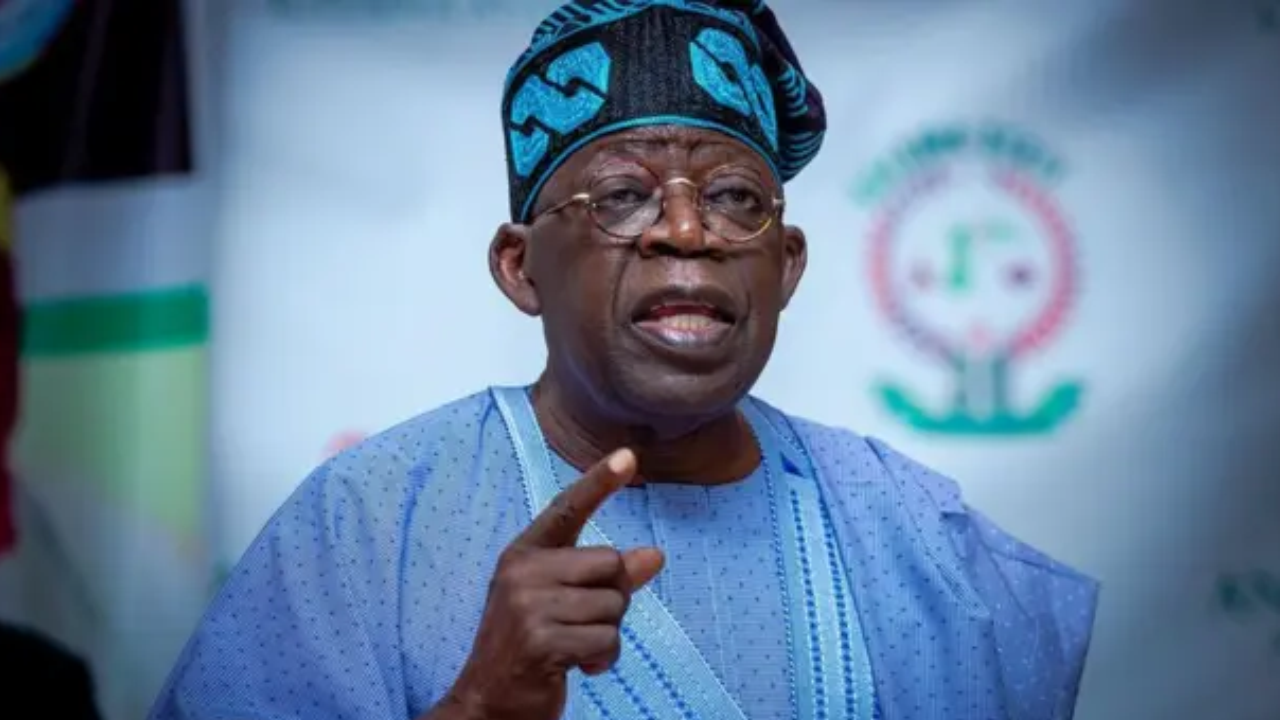

President Bola Tinubu on Monday rejected the growing reliance on private military and security contractors in conflict zones in Africa, warning that their involvement undermines sovereignty and complicates counter-terrorism operations across the continent.
Tinubu, represented by Vice President Kashim Shettima, told heads of state and EU leaders this during the first plenary session on ‘Peace, Security, Governance and Multilateralism’ at the 7th African Union–European Union Summit in Luanda, Angola.
The Nigerian leader also cautioned that the global shift away from multilateralism has created a more fragile security environment, noting that the EU remains one of the few platforms still engaging Africa on a “continent-to-continent basis, anchored on mutual respect and shared aspirations.”
Tinubu also intensified Nigeria’s bid to secure permanent seats with veto-wielding authority in the United Nations Security Council for Africa.
He tasked the EU with co-creating peace and security initiatives alongside its African partners, anchored on African-led frameworks, as a pathway to achieving sustainable stability across the continent.
The President stressed that addressing the challenges of armed conflict, illicit weapons, climate pressures, irregular migration, and political instability requires renewed AU–EU focus on preventive diplomacy, inclusive governance, and long-term investment in people and infrastructure.
He also recalled that Nigeria’s experience has shown that regional instability, if left unchecked, fuels terrorism, insurgency, banditry, and transnational organised crime.
Addressing this, the President stated that his administration had adopted kinetic and non-kinetic measures, including the Multinational Joint Task Force in the Lake Chad Basin, which, according to him, remains an effective model of African-led cooperative security.
He proposed structured labour pathways, such as Nigeria’s Technical Aid Corps for cooperation within the Global South and Business Process Outsourcing.
The PUNCH