

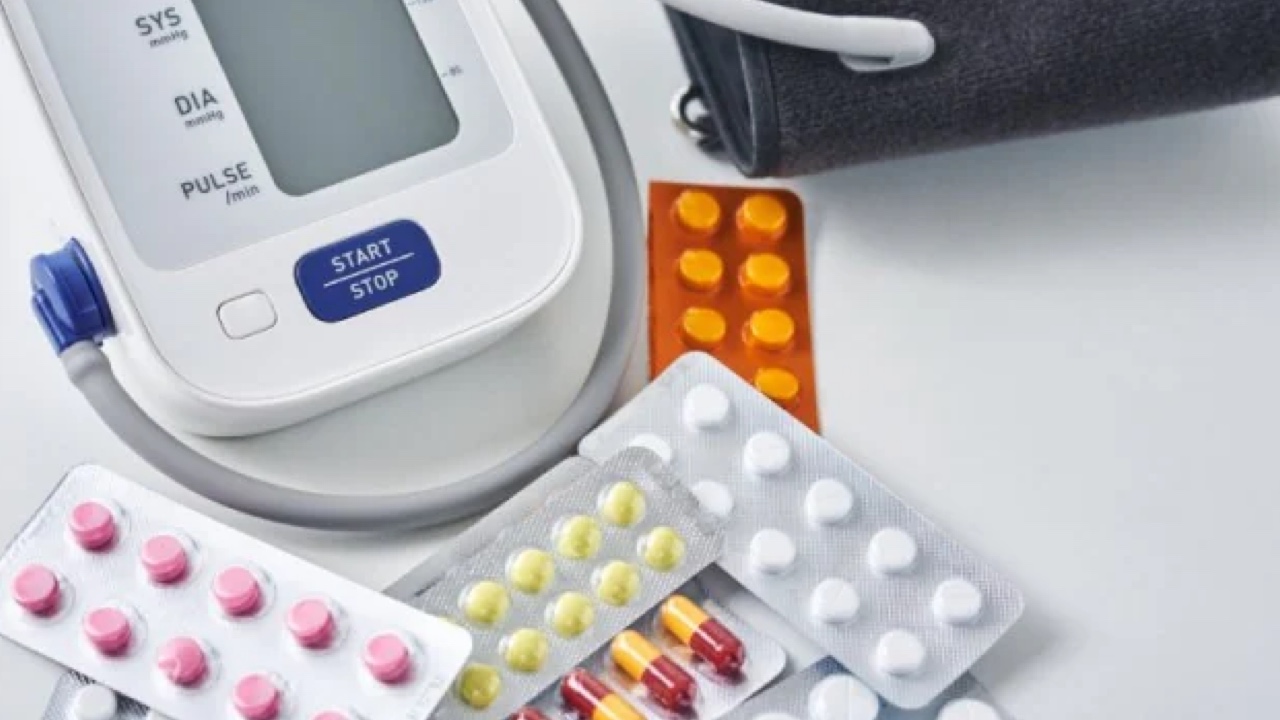

Medical experts have called on the Federal Government to make blood pressure medications free and more accessible to Nigerians, warning that the rising cost of treatment is worsening the burden of hypertension across the country.
They noted that many patients are unable to afford essential drugs, a situation contributing to poor disease control and increasing the risk of complications.
The experts stressed that hypertension, which affects about one in three adults in Nigeria, requires lifelong treatment, adding that high drug costs and limited access to care are major barriers to effective management.
They warned that failure to address these challenges could undermine efforts to reduce deaths linked to cardiovascular diseases.
They also urged the government to prioritise universal health coverage, support local drug manufacturing, and implement policies that would make life-saving medications more affordable, particularly for low-income households.
According to the World Health Organisation (WHO), hypertension, also known as high blood pressure, is when the blood pressure is too high and reads 140/90 mmHg or higher when checked with a blood pressure cuff, sphygmomanometer.
The WHO further notes that hypertension is common, but about 46 per cent of adults with it are unaware that they have the condition.
It adds that about 1.28 billion adults aged 30-79 years have hypertension, with most of them living in low-and-middle income countries.
The agency notes that ageing, genetics, obesity, sedentary lifestyle, high salt intake, and excessive alcohol consumption increase the risk of HBP.
A health practitioner and founder of Fluxbridge Healthcare Services, Olaide Albert, made the appeal on Saturday during a medical outreach organised by her organisation for residents of Adesan, Mowe, in Ogun State.
At the outreach, it was observed that beneficiaries had their blood sugar levels, blood pressure, malaria status, oral hygiene, and other vital signs checked.
Albert noted that many Nigerians could not afford basic healthcare due to the dwindling economy, stressing that this had contributed to the growing cases of hypertension.
She disclosed that the majority of the over 200 residents screened during the exercise were found to be hypertensive, with some already at critical stages.
She attributed the development to economic hardship and the pressure it places on citizens.
She said, “The reason we are carrying out this outreach is that we realised that the majority of Nigerians do not have access to affordable healthcare, and we thought it necessary to support in our little way.
“From the series of screenings we have carried out today, we realised that high blood pressure, high blood sugar, and malaria are the most common illnesses among the residents.
“This can be blamed on the state of the economy, which has continued to put pressure on the people. Some blood pressure readings are as high as 180, which is a time bomb waiting to explode.”
She urged the Federal Government to consider making high blood pressure drugs accessible to all Nigerians, while also advising residents to prioritise their health.
“My appeal to the FG is that, if possible, they should make high blood pressure drugs free for all Nigerians, and to the people, they should prioritise their health by going for routine checks and taking advantage of free medical outreach such as this,” she added.
Also speaking, a health support staff member, Olusoji Olatidoye, said the outreach was aimed at providing medical intervention for about 250 residents, adding that it would be sustained.
“We are targeting 250 people today, and they will be screened for malaria, blood sugar levels, blood pressure, and oral hygiene. So far, the most common condition among those screened is high blood pressure, and we ensure they are given medication and sensitised on what to do,” Olatidoye said.
A beneficiary, Oladokun Olawoye, commended the organisers, noting that the outreach would significantly improve the health of the community.
“It is when you are healthy that you can contribute to your community. This outreach has come at the right time. We appreciate the organisers, as it will go a long way in addressing some of the health challenges we face,” Olawoye said.
Another beneficiary, Daniel Blessing, said he had been battling a health condition but lacked the financial means to seek treatment, adding that the outreach had helped him address the issue.
In an earlier report, the President of the Nigerian Hypertension Society, Professor Simeon Isezuo, revealed that one in every three adults in Nigeria has hypertension, noting that the rising cost of medicines for the treatment of the condition is a major concern and a potential threat to efforts aimed at controlling it.
He urged healthcare providers to prioritise the use of affordable, effective and safe medicines, while calling on the government to take measures to reduce drug prices.
“In the long term, local manufacturers of medicines should be encouraged and the government at all levels should prioritise universal health coverage,” he said.
He also encouraged the private sector, philanthropists, and religious organisations to support less privileged individuals in accessing treatment and enrolling in health insurance schemes.
Isezuo further noted that hypertension can run in families, urging Nigerians to strengthen family support systems by promoting healthy diets, encouraging physical activity, and ensuring regular blood pressure checks.
He added that households should support members living with hypertension to adhere to treatment and consider having blood pressure monitors for routine checks.
The PUNCH