

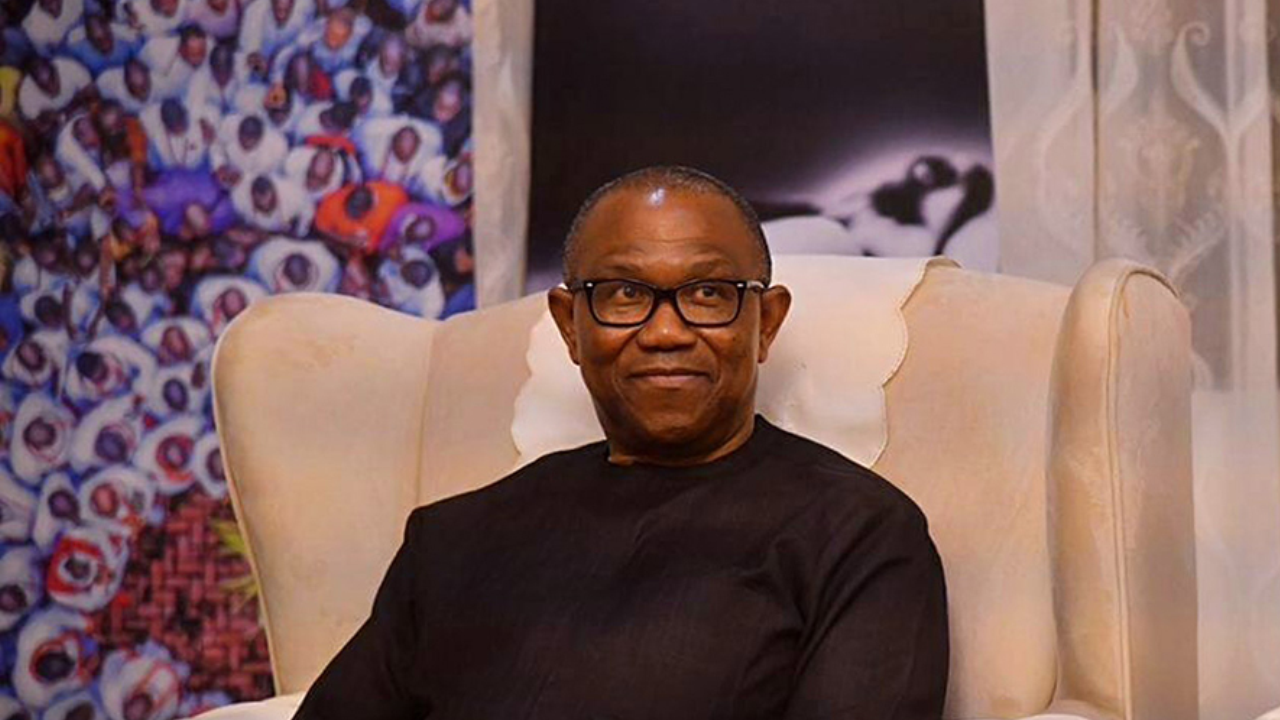

A former presidential candidate, Peter Obi, has expressed concern over Nigeria’s worsening insecurity and called for stronger unity among opposition figures, stressing the need for collective action to address the nation’s challenges.
In a statement on Tuesday, Obi said the country was at a critical stage, grappling with economic hardship, unemployment, declining public trust, and persistent insecurity, noting that such issues require more than political rhetoric.
His remarks come on the heels of renewed political realignments within the opposition, following the defection of former Kano State governor and ex-presidential candidate, Rabiu Musa Kwankwaso, to the African Democratic Congress.
Kwankwaso formally joined the party on Monday in Kano, where he was received by key political figures, including the party’s National Chairman, David Mark, alongside other prominent opposition leaders such as Aminu Tambuwal, Rotimi Amaechi, Dino Melaye, and John Odigie-Oyegun.
The development is widely seen as a boost to the ADC and part of broader efforts to build a formidable opposition coalition ahead of the 2027 general elections, amid increasing calls for collaboration among political actors.
Obi, who disclosed that he visited Kano on Monday at the invitation of Kwankwaso, described the move as a significant step in efforts to “rescue and rebuild” Nigeria’s democracy, urging politicians to put aside ethnic, religious, and regional divisions.
He emphasised that the task ahead goes beyond winning elections, adding that it involves rebuilding institutions, restoring confidence in governance, and securing a better future for Nigerians.
According to him, the moment demands sacrifice, courage, and selflessness, as well as a shift towards politics driven by competence, character, and commitment to national development.
Obi further called on all opposition members and Nigerians to embrace unity and prioritise national interest, insisting that only a coordinated effort can address insecurity and other pressing challenges confronting the country.
He said, “Nigeria is at a critical stage in its history… The challenges we face, economic hardship, insecurity, unemployment, and declining public trust, require more than rhetoric. They require deliberate collaboration, disciplined leadership, and a shared commitment to national progress.”
The PUNCH