

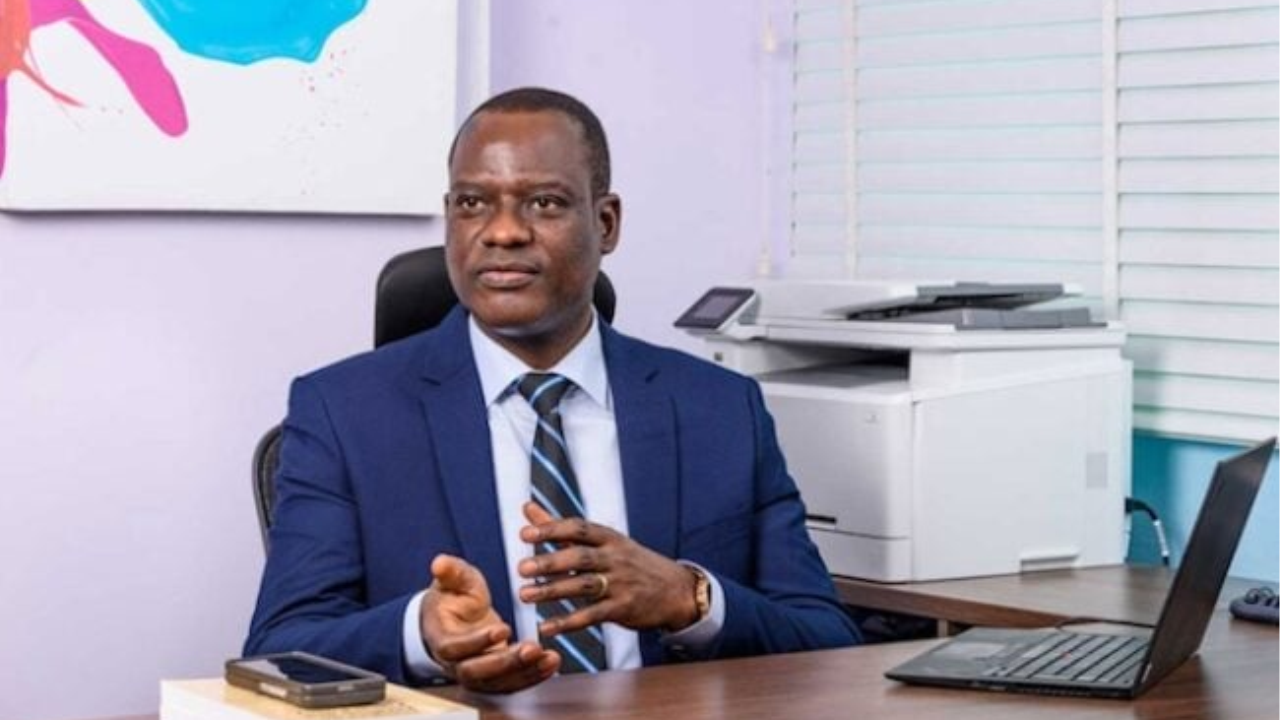

The Presidential Committee on Fiscal Policy and Tax Reforms chairman, Taiwo Oyedele, has urged entrepreneurs to formalise their businesses to benefit from new tax policies that exempt small companies and minimum-wage earners.
Oyedele made this call at the 24th Annual Conference of the Women in Management, Business and Public Service during a panel discussion themed ‘The New Tax Law and You’.
President Bola Tinubu signed four tax reform acts in June; two are already in effect, with the remaining two set to begin on January 1, 2026. Oyedele said the reforms aim to “reward compliance” and allow businesses to grow before being taxed.
He said, “We started the tax and fiscal reform with how people do business, how those businesses grow, and how finance is placed,” he explained. “You can’t knock on the door and say, ‘Tax me.’ Let’s have a conversation on how to create a business that can pay corporate tax. So, the reforms are people-centric.”
“If you run a small company where your annual turnover, that’s income that you get, is N100m or less, your corporate tax rate will be zero per cent. What is even more interesting is that the Corporate Affairs Commission has announced that they will register 250,000 small companies free of charge.”
Oyedele added that certain critical sectors would be fully exempted from VAT beginning next year.
“From next year, January 1, this bottle of water will be zero-rated for value-added tax. Because this water is exempt, when we are selling it, as the producer of the water, you shouldn’t charge VAT. But the person producing this water must have incurred VAT on the plastic, the label, the service to print it, the car to go and deliver the water to customers.
“They have loads of VAT. From next year, this water will be zero-rated. The same explanation applies to food, to education, to pharmaceutical and medical services,” he added.
“Data shows that almost 80 per cent of the bottom of Nigerian households spend their entire income on five items — food, education, health, rent, and transportation. I’m saying for these five things, why don’t we remove the taxes on them?” he asked.
The PUNCH