

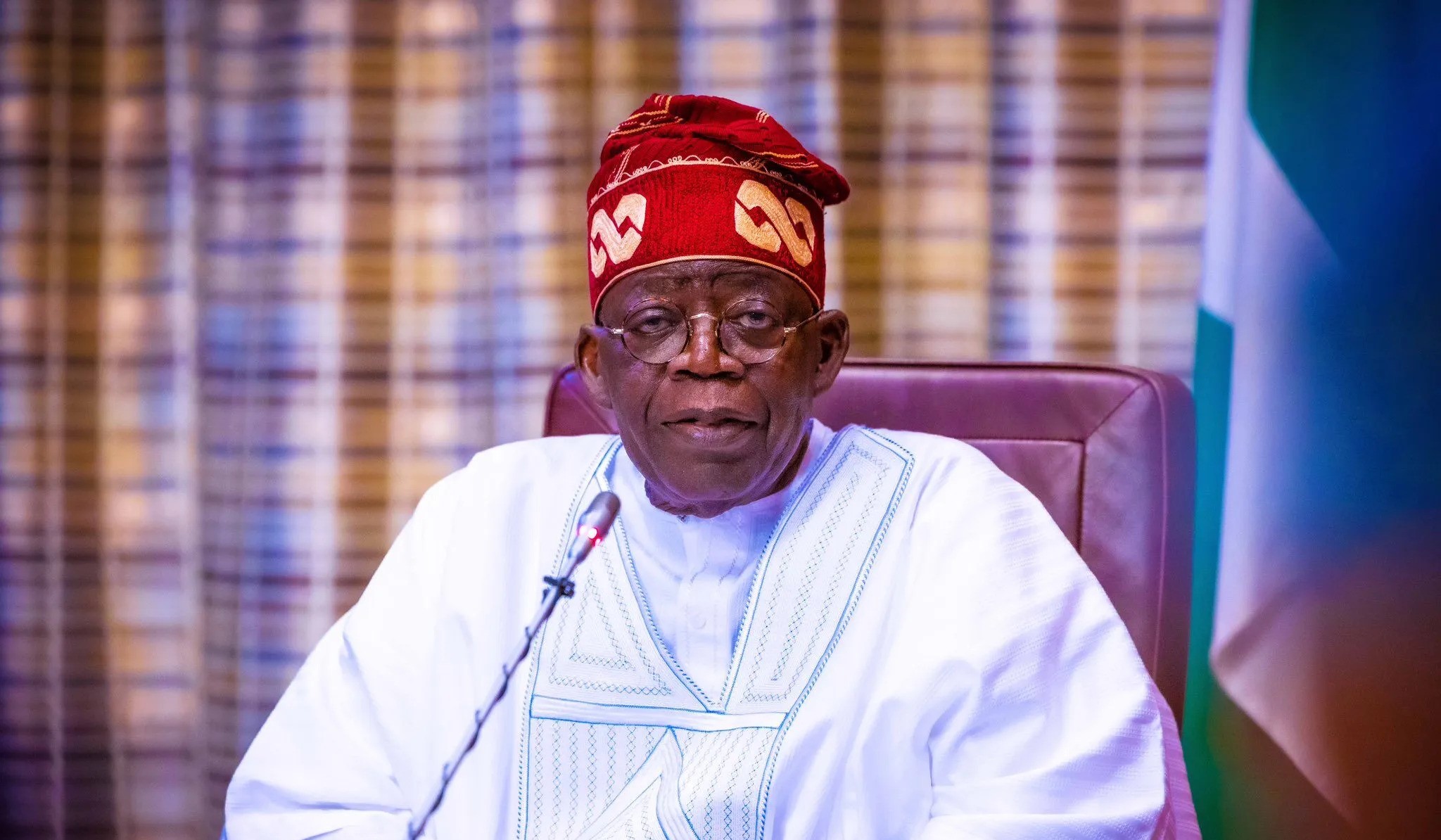

The Presidency spent at least ₦34.39 billion on foreign exchange purchases for international travel and related obligations over a two-year period.
The figure is according to data compiled from GovSpend, a government spending tracker managed by BudgIT.
The records, which cover transactions by the State House, Presidential Air Fleet, the Office of the Chief of Staff, and operations linked to the President, Vice President, First Lady, and their aides, show a sharp swing in spending patterns between 2024 and 2025.
An analysis of the data shows that 2024 accounted for the bulk of the expenditure, with total forex purchases of ₦29.35 billion, while 2025 recorded ₦5.04 billion.
This represents a year-on-year decline of 82.8 per cent, aligning with broader trends in the foreign exchange market where the naira stabilised following policy reforms and improved dollar inflows.
The transactions largely relate to the purchase of foreign currencies for official trips, aviation operations, estacodes, training programmes, and logistics for international engagements involving top executive officials.
While the Presidency has maintained that such trips are necessary for diplomacy, investment promotion and bilateral relations, the scale and timing of the spending have continued to draw public scrutiny amid Nigeria’s fiscal constraints and forex shortages.
In 2024, forex purchases were heavily concentrated in the first half of the year, coinciding with a period of heightened exchange rate volatility and sustained pressure on the naira.
One of the most prominent spenders during the year was the Presidential Air Fleet, which alone accounted for several multi-billion-naira transactions described as “presidential air fleet forex transit funds.”
The Presidential Air Fleet, managed by the Nigerian Air Force, is responsible for the air transport needs of the President, Vice President, and senior government officials.
Despite its strategic role, the cost of maintaining the fleet has long been a subject of public scrutiny and criticism, particularly amid Nigeria’s fiscal pressures and rising debt service obligations.
Between March and May 2024, the Presidential Air Fleet Naira Transit Account recorded repeated purchases of about ₦1.27 billion each on March 7, March 9, April 6, May 11 and May 25, alongside larger tranches such as ₦5.08 billion on April 23 and ₦2.43 billion on May 8.
These aviation-related transactions show the high cost of maintaining and deploying the presidential fleet for overseas travel.
Additional transfers of ₦205m in July, ₦34 million, ₦1.25 billion, ₦2.21 billion, ₦160.4 million, ₦1.24 billion and ₦902.9 million in August further swelled the air fleet’s forex bill.
Smaller amounts followed later in the year, including payments in September and December, bringing the air fleet’s cumulative forex-linked transactions in 2024 into several billions of naira.
Beyond aviation, the State House Headquarters also recorded extensive forex purchases throughout 2024.
The PUNCH