

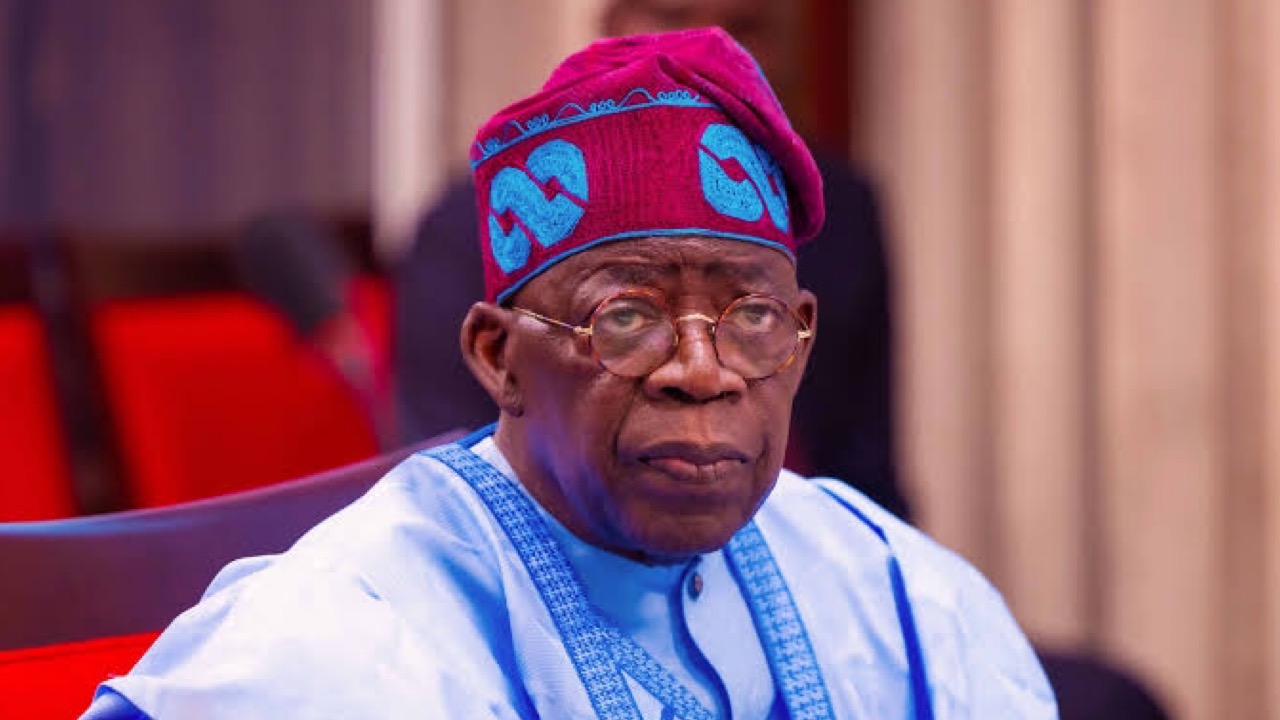

The federal, state, and local governments may receive additional revenue allocations of about ₦14.57 trillion following the recent Executive Order signed by President Bola Tinubu, directing that royalty oil, tax oil, profit oil, profit gas, and other revenues due to the Federation under production sharing, profit sharing, and risk service contracts be paid directly into the Federation Account.
This is based on an analysis of revenue inflows in 2025, drawing on monthly earnings submitted to the Federation Account Allocation Committee and obtained by our correspondent in Abuja on Thursday.
Based on estimates from 2025 remittances to the Federation Allocation Accounts Committee, the Nigerian National Petroleum Company is projected remit about ₦906.91 billion in management fees and frontier exploration funds, while oil and gas royalties totalling ₦7.55 trillion and gas flaring penalties of ₦611.42 billion collected by the Nigerian Upstream Petroleum Regulatory Commission will now be remitted directly to the Federation Account.
The Nigeria Revenue Service will also lose the authority to collect Petroleum Profits Tax and Hydrocarbon Tax, which generated ₦4.905 trillion in 2025, while the Midstream and Downstream Gas Infrastructure Fund recorded ₦596.61 billion in the same period, bringing the total affected revenue streams to about ₦14.57 trillion.
It was reported on Wednesday that the President signed the executive order directing that royalty oil, tax oil, profit oil, profit gas, and other revenues due to the Federation under production sharing, profit sharing, and risk service contracts be paid directly into the Federation Account.
The order also scrapped the 30 per cent Frontier Exploration Fund under the PIA and stopped the 30 per cent management fee on profit oil and profit gas retained by the Nigerian National Petroleum Company Limited. The order, which took effect from February 13, 2026, is aimed at safeguarding oil and gas revenues due to the Federation and improving remittances into the Federation Account.
According to details of the directive, the President invoked Section 5 of the Constitution of the Federal Republic of Nigeria (as amended), while the policy was anchored on Section 44(3), which vests ownership and control of all minerals, mineral oils, and natural gas in the Government of the Federation.
The implementation of the directive commenced in January, and its impact is expected to reflect in the revenue allocations at the FAAC meeting scheduled for next week.
Since the implementation of the PIA in 2021, the Federation Account, shared by the federal, state, and local governments, received only 40 per cent of proceeds from Production Sharing Contracts. The remaining 60 per cent was retained by the NNPC, split between a 30 per cent Frontier Exploration Fund and a 30 per cent management fee.
Under the new directive, NNPC will no longer collect and manage the statutory 30 per cent Frontier Exploration Fund, a development expected to significantly alter the revenue landscape of the oil and gas sector.
The frontier exploration fund is designed to finance hydrocarbon exploration activities in Nigeria’s frontier basins, areas outside the traditional Niger Delta producing belt, where commercial discoveries have yet to be fully established. These include: the Chad Basin in the North-East, the Sokoto Basin in the North-West, the Bida Basin in North-Central Nigeria, the Benue Trough, and parts of the Dahomey basin.
Exploration in these locations is aimed at expanding Nigeria’s reserve base, reducing regional concentration of oil production, and enhancing long-term energy security. Activities typically involve seismic data acquisition, exploratory drilling, geological studies, and appraisal campaigns.
The fund was floated under the Petroleum Industry Act because frontier basins are generally high-risk and capital-intensive, and therefore would require sustained funding considered critical to maintaining exploration momentum.
In addition, the national oil company will no longer be entitled to the 30 per cent management fee on profit oil and profit gas revenues. The order further directed that all operators and contractors of oil and gas assets under Production Sharing Contracts must now pay Royalty Oil, Tax Oil, Profit Oil, Profit Gas, and any other government interest directly into the Federation Account.
The directive also suspended payments of gas flare penalties into the Midstream and Downstream Gas Infrastructure Fund, instructing the Nigerian Upstream Petroleum Regulatory Commission to remit all proceeds from penalties imposed on operators directly into the Federation Account.
It further directed that all expenditure from the Midstream and Downstream Gas Infrastructure Fund must now comply with extant public procurement laws and regulations. Tinubu said excessive deductions, overlapping funds, and structural distortions in the oil and gas sector have weakened remittances to the Federation Account, warning that the practice must end to protect national revenue.
In a post on his verified X handle, the President stated that for too long, revenues meant for federal, state, and local governments had been trapped in layers of charges and retention mechanisms, thereby slowing development across the country.
He said, “For too long, excessive deductions, overlapping funds, and structural distortions in the oil and gas sector have weakened remittances to the Federation Account. When revenues meant for federal, state, and local governments are trapped in layers of charges and retention mechanisms, development suffers. That must end.”
Tinubu emphasised that oil and gas revenues must serve Nigerians first, noting that the ongoing reforms in the sector are aimed at promoting fairness and fiscal responsibility. He added, “Oil and gas revenues must serve the Nigerian people first, and this reform is about fairness and fiscal responsibility.”
The President explained that as the government strengthens national security, invests in education, expands healthcare, stabilises the economy, and advances the country’s energy transition, every legitimate revenue due to the Federation must be protected.
According to him, NNPC will now operate strictly as a commercial enterprise in line with the law, stressing that the era of duplicative deductions and fragmented oversight in the sector is over. Tinubu also disclosed that his administration would undertake a comprehensive review of the Petroleum Industry Act to address structural and fiscal anomalies weakening national revenue.
He further announced the approval of an implementation committee to oversee and ensure effective and coordinated execution of the executive order on the matter.
The President said, “Nigeria can no longer afford leakage where there should be leadership. We are safeguarding the Federation Account. We are strengthening our budget. We are acting in the national interest.”
He reiterated that the reforms are part of his administration’s commitment to Nigerians, adding that the policy direction aligns with his “Nigeria First” promise.
Based on the latest Federation Allocation Accounts Committee revenue data for 2025, the reallocation could have far-reaching implications for government earnings and sector institutions.
While many Nigerians and energy experts have expressed concerns over the potential impact of the policy on the oil and gas industry, a review of potential revenue reallocation suggests that the NNPC may be the least affected among the key players.
Other relevant government agencies operating within the sector could bear a heavier burden, particularly in terms of revenue losses, operational adjustments, and institutional restructuring.
The PUNCH