

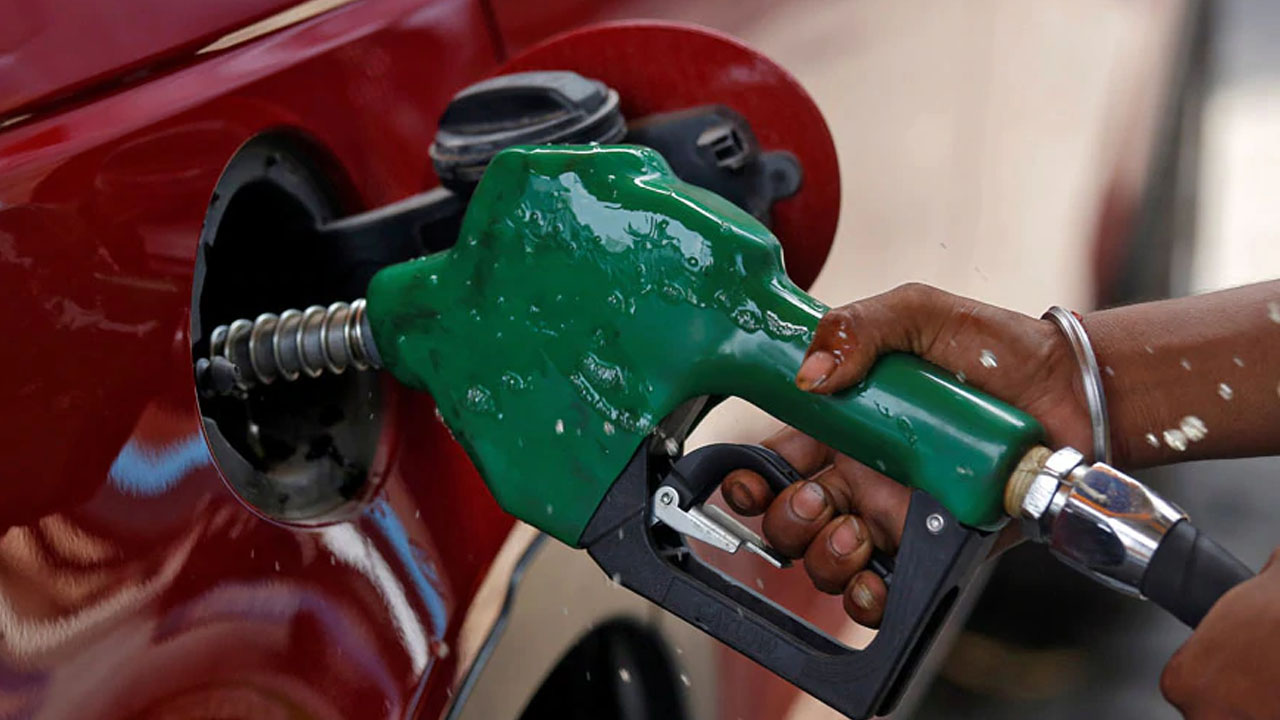

As petrol prices jumped to about ₦1,300 per litre in various parts of Nigeria on Monday, businesses across the country are beginning to prepare for a sharp rise in their operational costs.
This was confirmed by economists and the Organised Private Sector, who warned that the hike could fuel inflationary pressures, affecting goods and services, while companies scramble to adjust budgets and pricing strategies to cushion the impact on consumers.
As a fallout of the ongoing US-Iran war, a litre of Premium Motor Spirit (petrol) rose to about ₦1,300 per litre in most filling stations nationwide on Monday after the Dangote Petroleum Refinery hiked its gantry price from ₦995 to ₦1,175 a litre, sparking fears of a fresh rise in inflation among members of the Organised Private Sector.
Some filling stations also sold a litre for ₦1,250, ₦1,350 and ₦1,400 respectively.
The OPS warned that the surge in petrol prices could trigger higher transport and food prices. They urged the Federal Government to strengthen efforts to boost local refining capacity and look for ingenious ways to tackle the incessant surge in fuel prices.
This was even as the Nigeria Labour Congress slammed Dangote refinery’s repeated petrol price hikes, while there were reports on Monday that the G7 nations were planning to wade into the crisis by probably releasing emergency oil reserves.
Dangote’s ₦1,175 per litre petrol price on Monday marked the third upward adjustment within a week. This was as the price of crude hit about $115 per barrel before crashing to $98 later in the evening.
The latest price revision comes hours after it was projected that petrol prices could rise for the third time within a week following the temporary suspension of petrol sales at the refinery on Sunday.
The refinery announced the price hike to marketers on Monday, raising the gantry price of PMS to ₦1,175 per litre from ₦995 per litre announced on Friday, representing an increase of ₦180, or about 18.1 per cent, within three days. It also jerked up the gantry price of diesel to ₦1,620.
A senior official of the refinery, who spoke on condition of anonymity because he was not authorised to comment publicly, confirmed the adjustment, stating that the revision had already been communicated to marketers and depot operators.
“Yes, the gantry prices have been adjusted. PMS is now N1,175 per litre while Automotive Gas Oil (diesel) is N1,620 per litre,” the official said. “The market has been extremely volatile, and replacement costs have shifted significantly in recent days. These adjustments reflect prevailing market fundamentals and the cost environment we are currently operating in.”
Checks on the industry pricing platform petroleumprice.ng showed that the revised rates had already been updated across petroleum depot pricing systems, indicating a shift in the benchmark price used by downstream marketers.
In a swift response, filling stations wasted no time in adjusting their pump prices from around ₦1,060 to ₦1,250. Our correspondents report that the Dangote-backed MRS filling in Olowotedo led the charge, raising the petrol price to ₦1,250. The NIPCO filling station in the area sold petrol at ₦1,200 as of Monday afternoon.
Dangote defends action
In an update on its X handle, the Dangote Group defended the price increase. Managing Director/CEO of the Dangote Petroleum Refinery, David Bird, said the refinery will continue to meet Nigeria’s fuel demand despite global supply disruptions and market volatility, adding that domestic refining gives Nigeria supply security, ensuring the country avoids fuel shortages and queues even when global markets are disrupted.
According to Bird, even under the crude-for-naira arrangement, Nigerian crude is purchased at international benchmark prices, meaning the refinery does not receive discounted crude. He said import-dependent countries are worst hit as the global oil crisis escalates.
“Global oil markets are experiencing extreme volatility, with crude prices rising from the mid-$60 range to nearly $120 per barrel within a week. The refinery is fully exposed to international commodity markets, including crude oil prices, freight rates, insurance, and financing costs. Freight costs have surged dramatically, with tanker costs rising from about $800,000 to roughly $3.5m per shipment in the current market environment,” he explained.
The MD added that the Dangote refinery operates at its full nameplate capacity of about 650,000 barrels per day, with the potential to increase production to around 700,000 barrels per day.
Speaking on the development, the Independent Petroleum Marketers Association of Nigeria said the surge is temporary, as prices will normalise immediately the war ends. “The price of fuel would come down once Brent crude comes down immediately after the war,” IPMAN spokesman Chinedu Ukadike said.
According to Ukadike, Pinnacle Oil was selling petrol to marketers at N1,200. Some others, like Fynefield, sold it at N1,230, according to petroleumprice.com. “Filling stations are only adjusting the pump prices based on what we buy from the depots or Dangote refinery,” Ukadike said.
The spokesman of the Crude Oil Refineries Association of Nigeria, Eche Idoko, said there is little the government or anybody could do to help the surge in fuel prices, saying Nigerians would have to endure it until other oil-producing countries think of an alternative.
Idoko also noted that there would be relief the moment the Middle East crisis abates
The PUNCH