

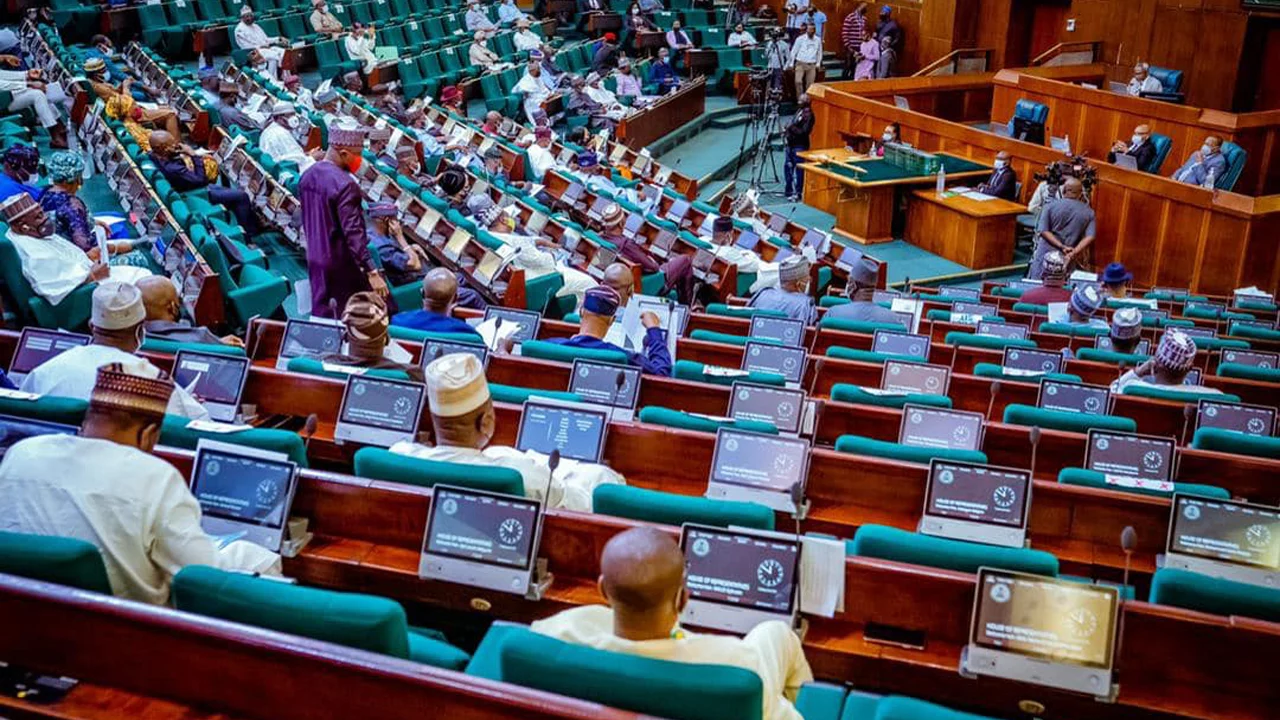

The House of Representatives on Wednesday urged the Federal Government to take urgent steps to rein in the rising cost of medicines, warning that millions of Nigerians are being priced out of access to life-saving drugs.
The resolution followed the adoption of a motion sponsored by the member representing Aba North/Aba South Federal Constituency of Abia State, Alex Ikwechegh, who drew attention to the sharp and sustained increase in the prices of essential medicines over the past two years.
Lawmakers said the situation has become critical, particularly for low-income earners and residents of rural communities, where access to healthcare is already limited.
Presenting the motion, Ikwechegh described the trend as alarming and requiring immediate government action.
“The cost of essential medicines has risen astronomically, placing them beyond the reach of millions of Nigerians who depend on them for survival,” he said.
Data cited in the motion showed that prices of some commonly used drugs have surged by between 300 and 500 per cent, driven by inflationary pressures, depreciation of the naira, heavy reliance on imports, and persistent supply chain disruptions.
The House acknowledged that the Federal Government had, in June 2024, introduced an Executive Order aimed at reducing production costs by waiving tariffs, Value Added Tax, and import duties on pharmaceutical raw materials, equipment and machinery.
Despite this, lawmakers said the policy’s benefits have yet to be felt across the sector.
“Despite these interventions, drug prices remain high due to poor implementation, exchange rate instability, regulatory bottlenecks, and limited access to financing for local manufacturers,” Ikwechegh added.
The House also expressed concern over the delay in concluding an ongoing probe into the high cost of medicines by the Federal Competition and Consumer Protection Commission, which commenced hearings in February 2025 in collaboration with the National Health Insurance Authority and other stakeholders.
“The delay in releasing the outcome of this investigation raises concerns about accountability and timely policy response,” he said.
Warning of the broader implications, lawmakers noted that the situation poses a threat to national health security, particularly in times of public health emergencies.
They further lamented Nigeria’s continued dependence on imported medicines, noting that more than 70 per cent of finished drugs and active pharmaceutical ingredients are sourced from abroad.
“This level of dependence exposes the country to global supply disruptions and price shocks,” the motion stated.
The House stressed that boosting local pharmaceutical manufacturing would not only improve access to affordable medicines but also create jobs and support industrial growth.
Following the adoption of the motion, lawmakers urged the Federal Ministries of Health and Social Welfare, Industry, Trade and Investment, and the Central Bank of Nigeria to ensure full implementation and monitoring of the Executive Order on pharmaceutical inputs.
They also called for the creation of a Pharmaceutical Industrialisation Fund under the Bank of Industry to provide single-digit interest loans to indigenous drug manufacturers, particularly small and medium-scale enterprises.
In addition, the House directed regulatory agencies—including the Pharmacists Council of Nigeria, the National Agency for Food and Drug Administration and Control, and the Standards Organisation of Nigeria—to fast-track registration and quality assurance processes for locally produced medicines without compromising standards.
Lawmakers further urged the Federal Ministry of Information and the National Orientation Agency to launch a nationwide campaign promoting the use of locally manufactured drugs.
To ensure compliance, the House mandated its Committees on Health Institutions, Industry, Commerce, National Planning and Economic Development, and Legislative Compliance to monitor implementation and report back within four weeks.
The House intervention comes amid growing concern over the affordability of medicines in Nigeria, as economic headwinds continue to push healthcare costs beyond the reach of ordinary citizens.
Since the removal of fuel subsidy and the liberalisation of the foreign exchange market, the cost of importing drugs and raw materials has surged, with pharmaceutical companies passing the burden on to consumers. For many Nigerians living with chronic conditions such as hypertension, diabetes and asthma, the rising prices have meant cutting doses, skipping medication, or abandoning treatment altogether.
Industry operators have repeatedly warned that local manufacturers are operating under severe constraints, including high energy costs, limited access to foreign exchange, and difficulties in securing long-term financing.
These challenges have stunted domestic production, leaving the country heavily dependent on imports.
Public health experts say the consequences are already evident in worsening health outcomes, as preventable and manageable conditions become life-threatening due to a lack of access to affordable medicines.
Civil society groups and professional bodies have, in recent months, intensified calls for government intervention, including price regulation, expansion of health insurance coverage, and targeted support for local drug manufacturers.
It is against this backdrop that the House is pushing for a coordinated response, warning that failure to act decisively could deepen inequality in access to healthcare and further strain an already fragile health system.
The PUNCH