


Nigeria’s foreign exchange earnings from diaspora remittances may face a serious setback following the passage of a new bill in the United States proposing a 3.5% tax on money transfers made by non-citizens to recipients abroad.
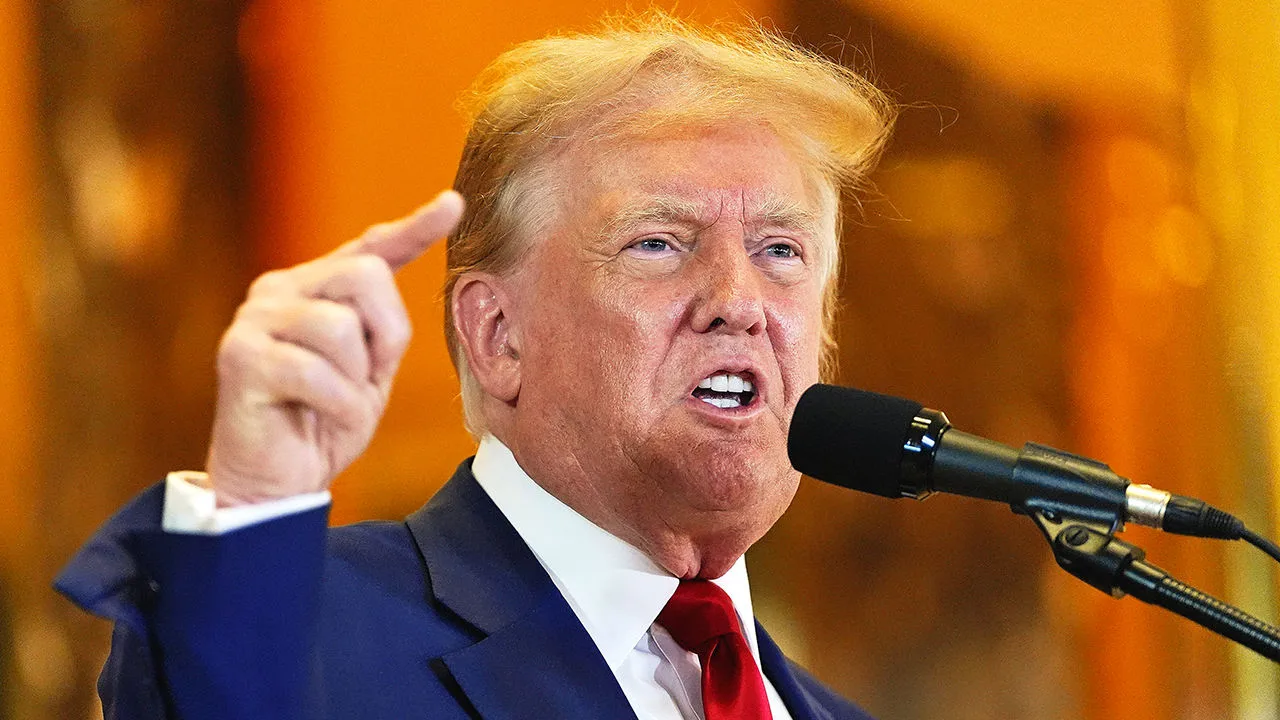
The measure is part of the “One Big Beautiful Bill Act,” introduced by former U.S. President Donald Trump and recently passed by the U.S. House of Representatives, according to PUNCH.
If signed into law, the tax would apply to all international remittances sent by non-U.S. citizens, including green card holders and temporary visa holders. It would be automatically deducted at the point of transaction by banks and remittance services and paid to the U.S. Treasury quarterly.
With no exemption threshold, even small transfers would be taxed, likely changing how senders behave. As one of the top recipients of remittances globally, Nigeria stands to be heavily impacted. In 2024, Nigeria received $20.93 billion in personal remittances, which is the highest in five years, according to the Central Bank of Nigeria. This income is vital to the nation’s balance of payments.
The Centre for Global Development has ranked Nigeria among the top 10 countries most exposed to the proposed tax, alongside India, Mexico, and the Philippines. It estimates the levy could cost Nigeria up to $215 million annually, affecting families and the broader economy.
While it’s unclear how much of Nigeria’s remittances originate from the U.S., research from 2015 estimated over $6 billion was sent from Nigerians living there.
The new tax could push remitters towards informal channels to avoid the added costs. According to Agusto Consulting, Africa received \$94.8 billion in diaspora remittances in 2023, with Egypt and Nigeria accounting for nearly half. In Nigeria, these funds have been key in supporting households and boosting foreign reserves.