

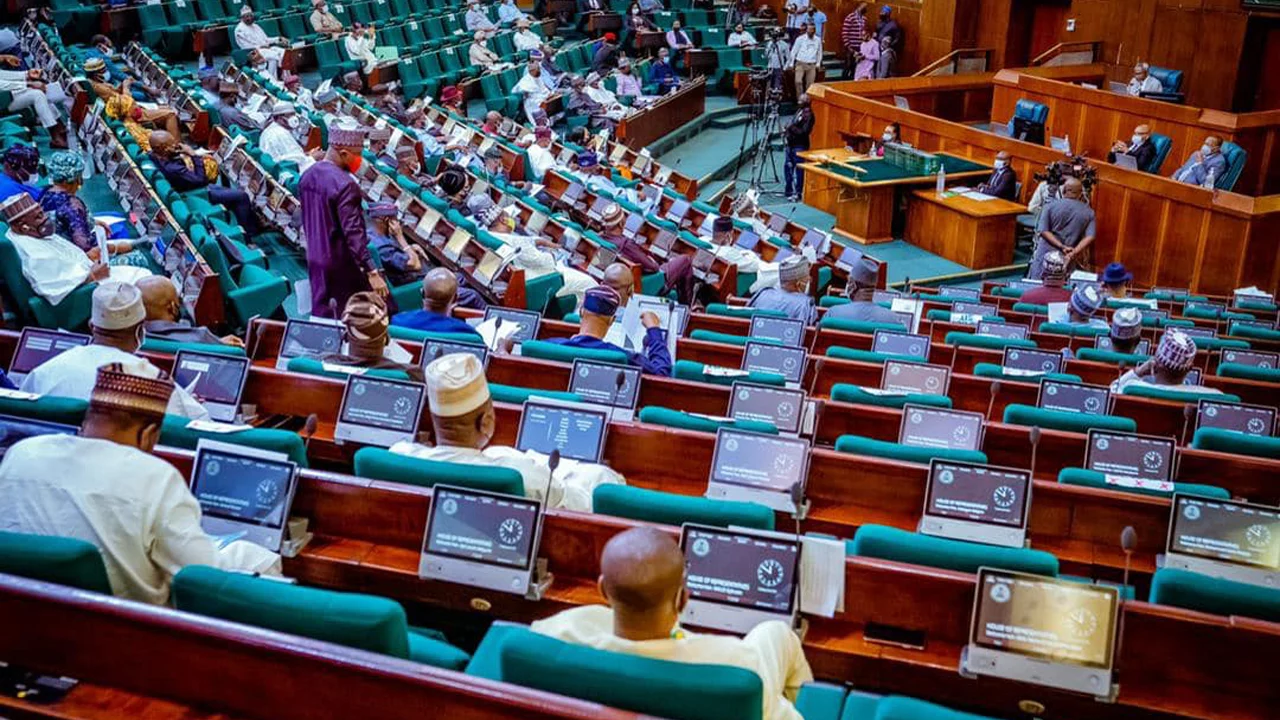

The spokesman of the House of Representatives, Mr Akin Rotimi, has said the agitation for the establishment of state police can only materialise through the amendment of the 1999 Constitution, stressing that no implementation can take place without legislative action by the National Assembly.
Rotimi’s position comes amid growing national debate over the decentralisation of policing in Nigeria as the country continues to grapple with widespread insecurity, including banditry, terrorism, kidnapping and communal clashes across several states.
However, speaking with our correspondent on Thursday, Rotimi cautioned that no formal steps towards implementation can occur without the required constitutional amendments.
He said, “With respect to reports that the Inspector-General of Police has set up an implementation committee, it is important to clarify that the establishment of state police requires constitutional alteration.
“Until the relevant provisions of the Constitution are amended and duly passed by the National Assembly and ratified by the requisite number of State Houses of Assembly, implementation in the strict legal sense cannot commence.
“Preparatory policy conversations and institutional reflections are not unusual in matters of this magnitude, especially considering that Mr President has expressed his support for the bill. However, any formal implementation must strictly align with the final constitutional framework as enacted.”
The Ekiti lawmaker noted that the issue of state police is one of the key items currently being considered as part of the ongoing constitutional review process by the National Assembly.
“The issue of state police is currently before the National Assembly as part of the ongoing constitutional amendment process. It is one of the over 40 Constitution alteration bills that will be coming up for voting in the House of Representatives in the coming weeks.
“I am one of the three principal sponsors of the various state police bills that were consolidated into a single draft through the harmonisation process undertaken by the House Committee on Constitution Review. The process has been thorough and inclusive.
“The Nigeria Police Force was among the critical stakeholders consulted during our nationwide public hearings, alongside other security agencies, state governments, civil society organisations, and members of the public.
“Under the leadership of Benjamin Kalu, the Chairman of the House Committee on Constitution Review, the House has maintained a transparent and consultative approach to this reform,” he added.
Rotimi further explained that lawmakers are approaching the reform cautiously to ensure that the framework for state policing includes clear safeguards against abuse.
According to him, the objective is to design a system that balances improved local security responses with accountability and national stability.
“The goal of the parliamentary engagement is to ensure that any constitutional provision establishing state police is carefully structured, with clear safeguards, defined jurisdictional boundaries, funding mechanisms, accountability frameworks, and federal oversight where necessary.
“The National Assembly is actively progressing with the bill, and the matter remains within the constitutional process. We are committed to delivering reforms that strengthen security while preserving national cohesion and constitutional order,” he added.
In recent years, governors, traditional rulers, civil society organisations and security experts have repeatedly called for the creation of state police, arguing that a centralised policing system is overstretched and unable to effectively respond to local security threats across the country’s 36 states.
Nigeria currently operates a single federal police structure under the Nigeria Police Force, a system critics say is inadequate for a country of over 200 million people with vast territorial and security complexities.
Proponents of state police believe decentralising the security architecture would allow states to develop community-based policing strategies tailored to their peculiar challenges.
Last week, President Bola Tinubu also threw his weight behind the proposal, urging the National Assembly to accelerate constitutional amendments that would pave the way for state-controlled police formations.
The PUNCH