

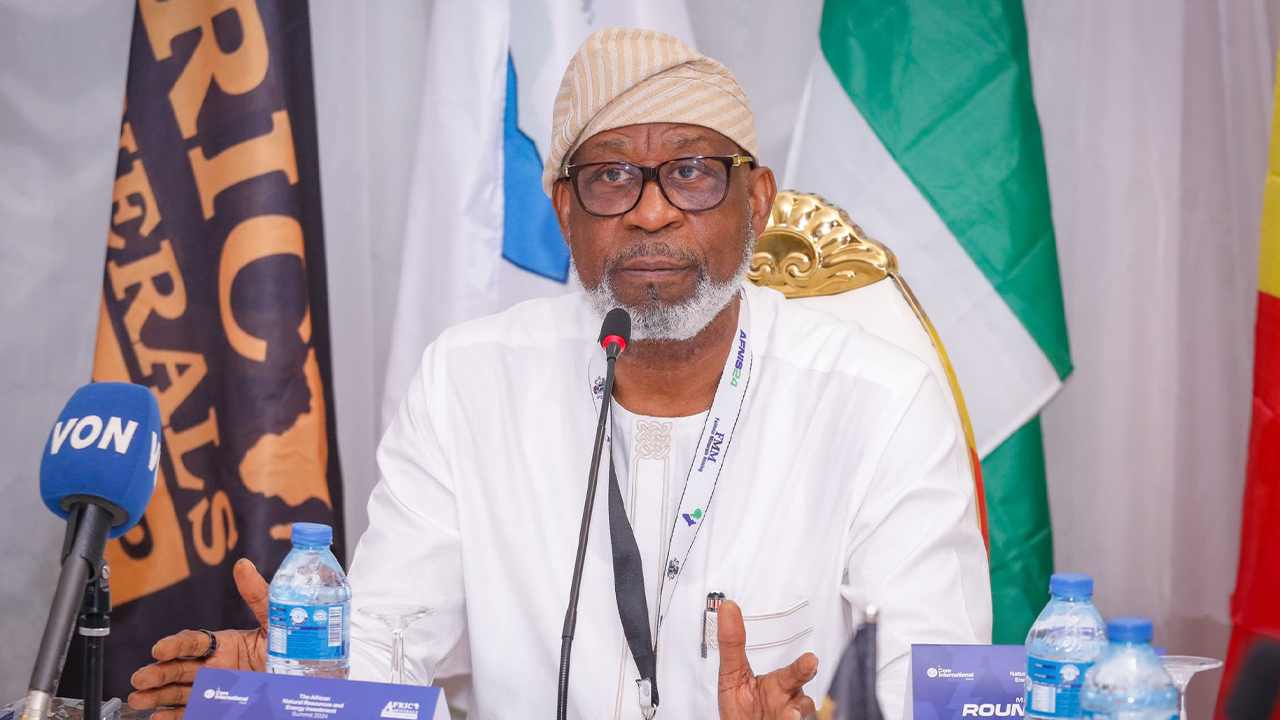

The Minister of Solid Minerals Development, Dele Alake, says foreign nationals arrested for illegal mining activities and suspected security-related concerns have been transferred to the Office of the National Security Adviser for further investigation.
Speaking during an interview on Channels Television in Abuja on Friday, Alake said the move is part of ongoing efforts to tighten enforcement in the solid minerals sector amid rising international scrutiny.
He said the suspects were being handled at a higher security level due to the nature of allegations surrounding their activities.
“Foreign nationals arrested for illegal mining activities and suspected links to terrorism have been handed over to the Office of the National Security Adviser for further investigation,” Alake said.
He added that the government has intensified its nationwide crackdown on illegal mining operations, leading to hundreds of arrests.
“More than 327 individuals, including foreign nationals, have been arrested for illegal mining across the country,” he noted.
According to him, the enforcement drive has also led to ongoing prosecutions and major regulatory actions in the sector.
“About 142 suspects are currently facing prosecution, while approximately 3,000 mining licences have been revoked,” he said.
Alake also pointed to significant revenue growth in the sector, attributing the gains to reforms under President Bola Tinubu’s administration.
President Bola Tinubu has repeatedly warned that illegal mining and mineral theft pose risks not only to economic development but also to regional security.
“The reforms in the solid minerals sector have significantly improved government revenue,” Alake said, noting that earnings rose from about ₦6 billion in 2023 to over ₦70 billion by December 2025.
The minister urged stronger ethical standards in the mining industry, saying stakeholders must support efforts to ensure transparency and long-term sustainability.
The development comes amid growing international concern over illegal resource extraction in parts of West Africa and its possible links to broader security threats.
The PUNCH