

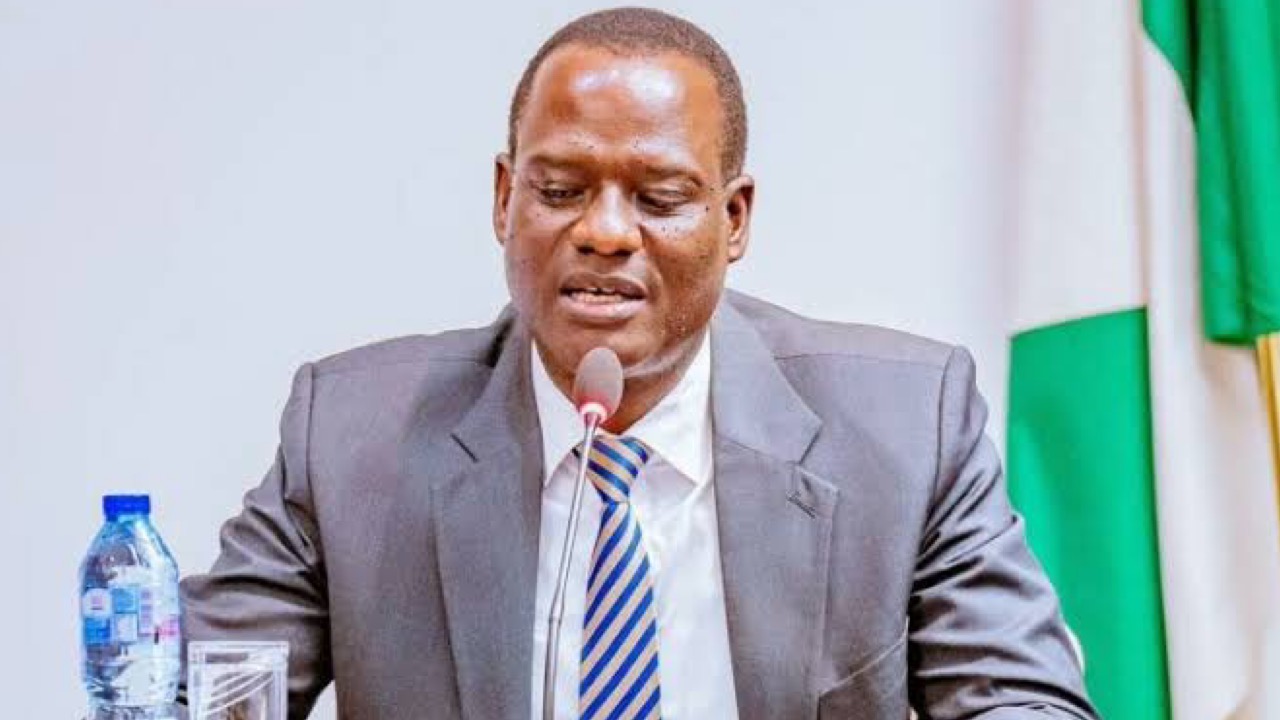

Civil servants have issued a fresh warning to the Minister of Finance and Coordinating Minister of the Economy, Taiwo Oyedele, over the continued delay in implementing the 40 per cent peculiar allowance and settling outstanding promotion arrears, cautioning him that “a stitch in time saves nine.”
The Joint National Public Service Negotiating Council, Trade Union Side, in a letter signed by its National Secretary, Olowoyo Gbenga, called on the minister to urgently implement the allowance and clear promotion arrears for batches seven and nine, warning that the delay was stoking restiveness among public servants.
The council first raised the matter with the minister on 9 July 2026, prompting a meeting with its leadership on 5 August. It commended Oyedele for acting on the resolutions reached at that meeting, particularly the payment of two months’ outstanding wage award, praising his office for “walking the talk with appreciable intervention” and confirming the award had been settled within the agreed timeline, before 15 August 2026.
Despite this progress, the council said the 40 per cent peculiar allowance, meant to reflect the ₦70,000 national minimum wage, remained unresolved. It noted the allowance was backed by a circular issued by the then Executive Chairman of the National Salaries, Incomes and Wages Commission, Eyo Nta, effective from 1 May 2026, and appealed to the minister to “accelerate the implementation of the circular without any administrative red-tape blockade.”
The workers dismissed any suggestion that funding constraints justified further delay, insisting the government had adequate resources to pay and could implement the circular “without a pinch of excuse(s).” Alongside the allowance, the council pressed for payment of the batch seven and nine promotion arrears, which it said were still “hanging in the process of payment.”
Citing the trust built during the August meeting, the council said it was keen to avoid another standoff with government and described swift action as “very expedient and desirable,” stressing this should happen “without attracting any ultimatum.”
The letter’s sharpest warning concerned mounting frustration in the public service, with the council cautioning that “potential spontaneous reactions are building up among workers” over the unresolved issues, before closing with the reminder that “a stitch in time saves nine.”
The intervention follows the government’s recent settlement of the outstanding wage award, itself a response to earlier pressure from organised labour over unpaid entitlements. While that dispute has been resolved, the unresolved allowance and promotion arrears remain a potential flashpoint for renewed tension in the public service.