

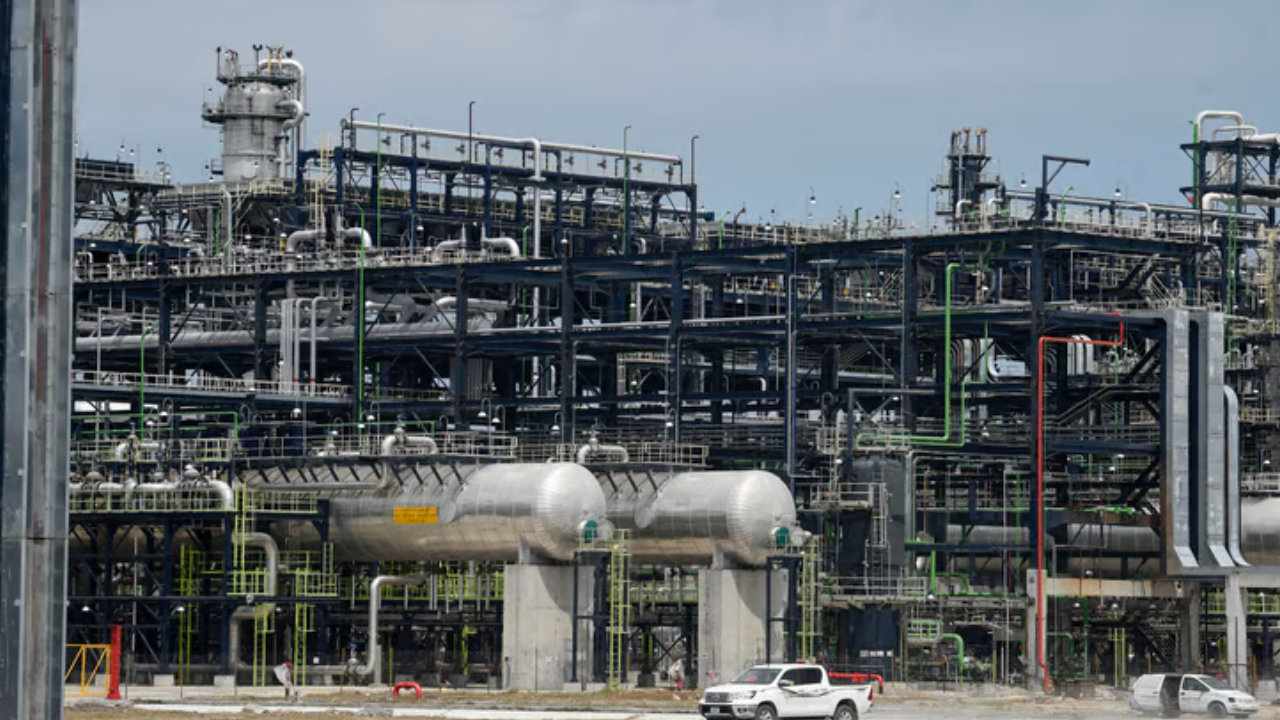

Independent petrol retailers across Nigeria are set to benefit from cheaper distribution as the Dangote Petroleum Refinery extends its free delivery scheme to four additional states: Kano, Imo, Anambra, and Nasarawa.
The move comes as Nigeria’s downstream petroleum sector adjusts to rising domestic refining capacity and heightened market competition. Operating at a capacity of 700,000 barrels per day, the refinery continues to supply both local and international markets.
By absorbing long-distance haulage expenses, the facility aims to strip out heavy transport costs embedded in the distribution chain. Delivering products closer to regional hubs eliminates expenses linked to vehicle operations, driver fees, insurance, and road risks, while significantly cutting down loading delays for retailers.
The initiative has drawn praise from the Independent Petroleum Marketers Association of Nigeria (IPMAN). Chinedu Ukadike, IPMAN’s National Publicity Secretary and Public Relations Officer, noted that the scheme tackles a chronic bottleneck where marketers face tied-up capital and weeks of loading delays.
“This gesture, if sustained, will be able to alleviate the sufferings of independent marketers,” Ukadike said, noting that the arrangement eases cash flow constraints and allows businesses to deploy capital far more efficiently.
The scheme initially served Lagos, Ogun, Rivers, Kaduna, Abuja, and Delta states. According to the company, eliminating long-distance transport costs will significantly improve the economics of supplying remote areas, paving the way for lower pump prices.
Fatima Aliko Dangote, Group Executive Director of Commercial Operations, highlighted that the benefits of local refining must directly impact the public.
“The value of domestic refining must ultimately be felt beyond the refinery gate,” she stated. “By absorbing the cost of delivering petroleum products to our customers, we are removing a significant component of the distribution burden and creating room for those savings to flow through the value chain to consumers.”