


The Presidency has moved to contain the fallout from the recent structural failure on the Benin-Agbor-Asaba Expressway, describing the collapse as an isolated occurrence driven by seasonal weather and contractor shortcomings rather than a systemic flaw in federal infrastructure policy.
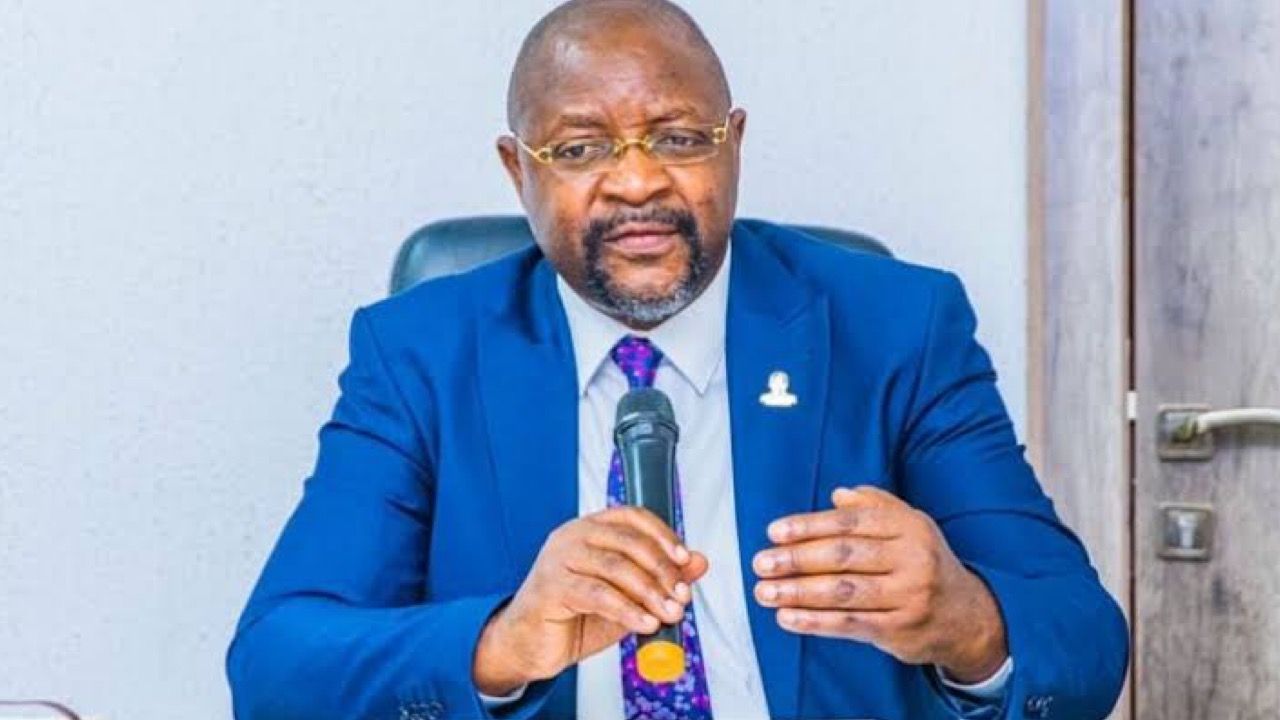
Speaking on Channels Television on Wednesday, Sunday Dare, the Special Adviser to the President on Media and Public Communications, defended the administration’s nationwide road initiatives.
His remarks followed an on-site inspection by the Minister of Works, David Umahi, who apologised to commuters, rebuked the concessionaire, and ordered a total reconstruction of the highway after concluding that palliative repairs were inadequate. Dare maintained that the incident should not overshadow the government’s wider infrastructure portfolio.
Dare admitted that the situation exposed performance gaps on the part of the builder: “Whatever played out yesterday, we had all the stakeholders there. And it’s important that even the contractor came out, even though he gave excuses, it showed a failure on their part.”
However, framing the collapse within the realities of seasonal engineering challenges, Dare insisted that the episode was not representative of ongoing works nationwide: “I think that first, these are isolated cases. And we all know by the nature of road construction, during rainy season, you encounter problems like this.”
He asserted that prompt intervention by the Ministry of Works and parliamentary stakeholders defines effective governance. He noted that while the government’s duty is to identify priority routes and secure financing, execution rests squarely on contracted firms.
To illustrate the gradual nature of large-scale civil engineering works, Dare compared the multi-phase construction process to building a home, noting that temporary inconveniences are inevitable while projects are underway: “It’s like a house construction; a house is not built in a day, it’s progressive. Until the roof comes on, the rain will still pour down on the building.”
Pointing to his recent inspection of the Abuja-Lokoja corridor alongside dozens of journalists, Dare said that numerous federal routes, spanning approximately 320 road projects and five legacy corridors nationwide, have been completed or are progressing smoothly.