

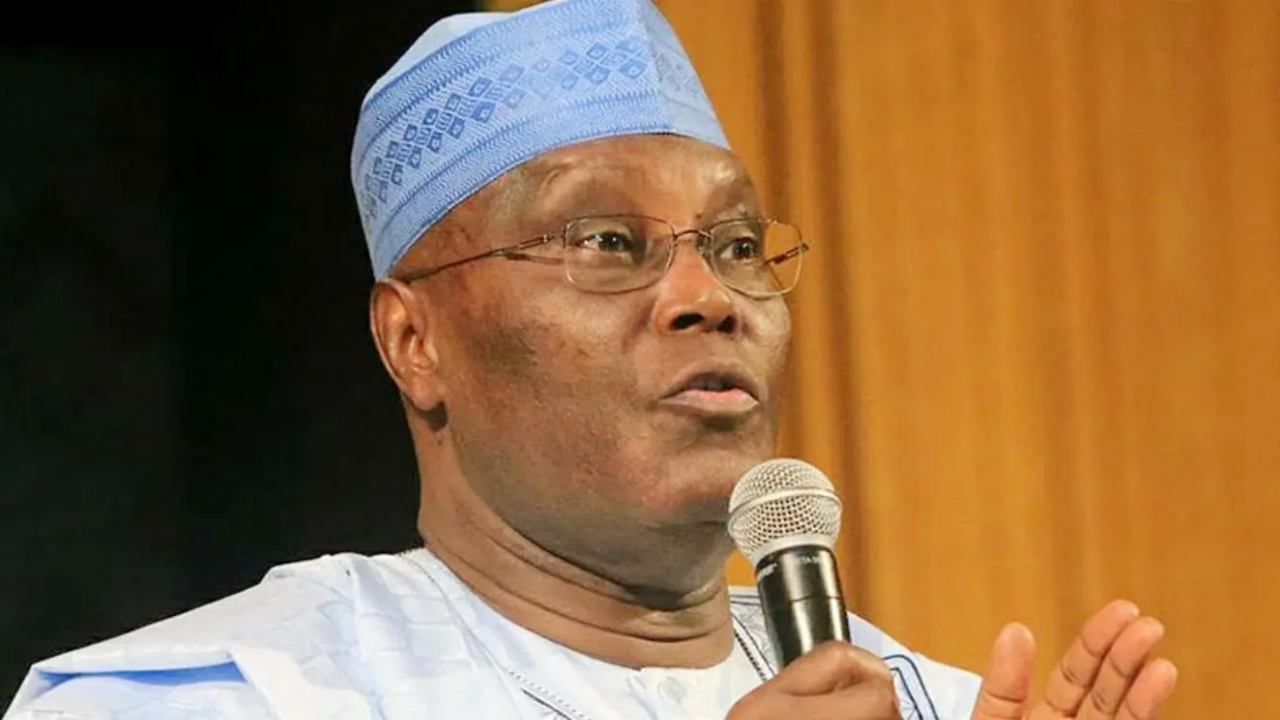

The Presidency has criticised the proposal by African Democratic Congress (ADC) presidential candidate Atiku Abubakar to sell crude oil to domestic refineries at discounted prices, warning that the policy would trigger severe fiscal instability and market distortions.
Sunday Dare, Special Adviser to President Bola Tinubu on Media and Public Communication, dismissed the plan in a statement on his X account on Wednesday. The rebuttal followed Atiku’s firm declaration on Tuesday reasserting his pledge to reinstate fuel subsidies if elected in 2027, overriding earlier clarifying comments by his media aide, Paul Ibe.
“I want to repeat categorically that when I said I would return to subsidy, I will! Nigeria is rich enough to look after the welfare of its citizens. Let it be clearly stated that he was not speaking on my own authority.”
Ibe had previously explained that Atiku’s proposed intervention would involve supplying discounted federation crude to domestic refiners as a temporary measure to lower refining overheads and curb retail pump costs.
“The crude oil will be sold at a discounted price, subsidised to refiners, and that will enable refiners to be able to produce fuel and diesel at a cheap cost.”
However, Dare argued that subsidising crude inputs would create an “immediate fiscal hole” in the Federation Account, directly shrinking statutory revenue allocations meant for schools, healthcare, and security across federal, state, and local governments.
Categorising the proposal as “an economic safari” and “applying painkillers to a festering wound,” the presidential aide cautioned that selling crude below prevailing global benchmarks would breach the deregulatory provisions of the Petroleum Industry Act (PIA).
He added that preferential allocations risk creating artificial monopolies, undercutting smaller indigenous modular refineries, and widening price disparities with neighbouring West African nations, thereby reigniting cross-border fuel smuggling.
The exchange marks a fresh escalation in the ongoing national debate over energy sector deregulation. While President Tinubu’s administration maintains that the full removal of the petrol subsidy announced in May 2023 remains essential for public finance stability, Atiku contends that the policy has severely escalated the cost of living for everyday Nigerians.