

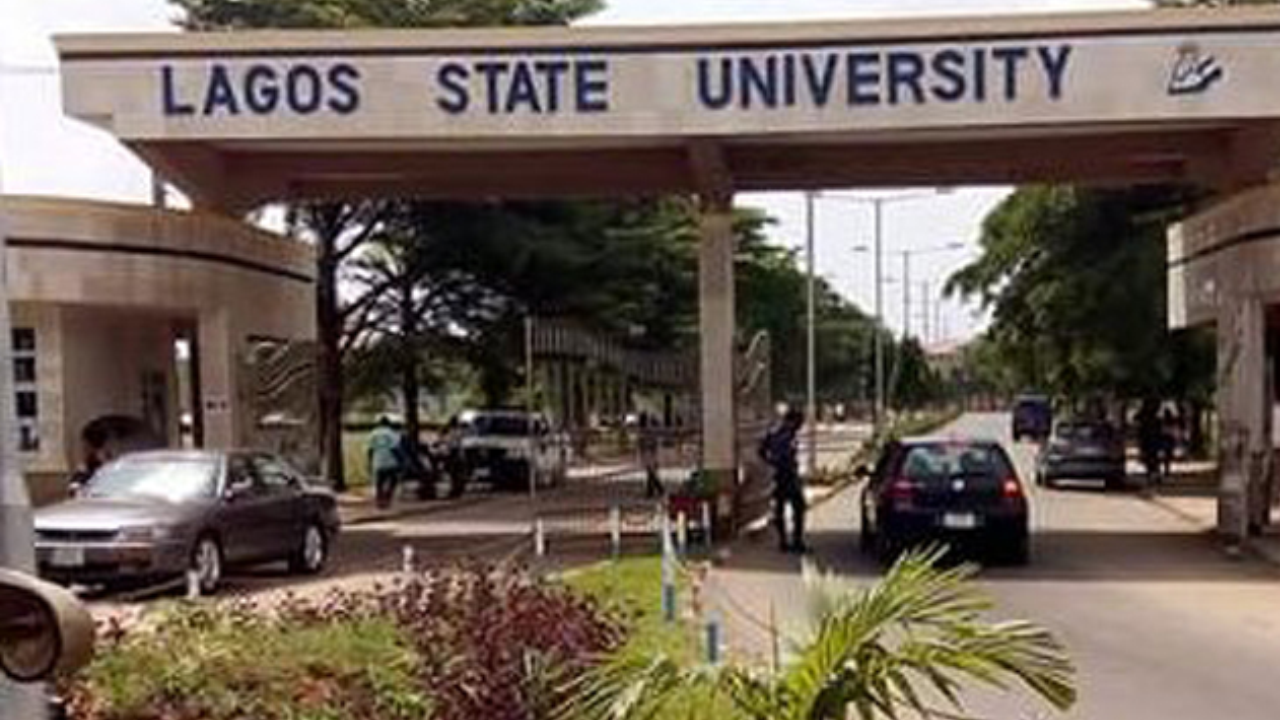

The media aide to the immediate past Vice-Chancellor of Lagos State University (LASU), Prof Ibiyemi Olatunji-Bello, has addressed public misinterpretations regarding her comments on the cost of higher education.
In a statement released on Wednesday, 23 September 2026, Emmanuel Adeyemi clarified that the former administrator did not advocate that students or parents should directly pay ₦1 million annually for public university tuition.
Adeyemi noted that Olatunji-Bello was offering an estimate of what it costs to deliver quality undergraduate education while urging institutions to seek creative and varied revenue channels. He explained that her comments responded to the desire among Nigerians for higher education that matches international standards, contrasting those expectations with the low fees currently charged by public institutions.
“The immediate-past Vice-Chancellor of Lagos State University, Prof. Ibiyemi Olatunji-Bello, has been widely quoted across social media as saying that students must pay N1m in fees for public universities to achieve self-sustainability,” Adeyemi said.
“Distinguished Professor Olatunji-Bello’s remarks were made against the backdrop of Nigerians’ legitimate aspiration for university education that is genuinely comparable in quality to what is obtainable in other parts of the world, a standard that stands in sharp contrast to the comparatively low tuition fees currently charged by public universities in Nigeria.
“Her central argument was that delivering the quality of undergraduate education Nigerians rightly desire costs, on average, approximately N1m per student annually. Crucially, however, she did not suggest that this cost must necessarily be transferred wholesale onto students or their parents.”
Adeyemi emphasised that Olatunji-Bello’s full statement called on public universities to drive innovation and generate alternative funds to ensure financial independence. While noting the cost implications of quality schooling, she encouraged shared responsibility rather than placing the entire financial burden on a single group.
“This is precisely why, in response to the interview question on institutional self-sustainability, she began by stating: ‘Universities can achieve financial self-sustainability. If they can innovate and ensure improvements in the institution, money will come in.
“She went on to add: ‘I enjoin parents to ensure their children are well-educated by prioritising their fees. Good quality education needs money.’”
Following widespread reactions on social media to selective clips from the interview, Adeyemi urged the press, education stakeholders, and the public to review the remarks in their full context rather than relying on isolated excerpts that misrepresent her intent.