


The worsening insecurity in Borno, Nigeria’s north-eastern state, has significantly impacted food production, thus leading to record-high inflation in May.
A new report by the National Bureau of Statistics (NBS) highlights how growing attacks in the ‘Home of Peace’ state spiked food inflation by over 85 per cent to 64.36 per cent in May 2025 from 34.74 per cent in May 2024.
This comes in the wake of fresh attacks by the Boko Haram group and its offshoot, Islamic State of West Africa Province (ISWAP).
In May, about 23 farmers and fishermen were killed in an attack in the village of Malam Karanti in Borno, according to agency reports.
“In May 2025, food inflation on a year-on-year basis was highest in Borno at 64.36 percent, Bayelsa at 39.85 per cent, and Taraba at 38.58 per cent,” the NBS noted.
But the real shock comes on a month-on-month basis. Just last month, food inflation in Borno was only 21.49 per cent, spiking by a whopping 199 per cent.
Due to steaming attacks on farmers in the state, Governor Babagana Zulum declared May 19 a day of voluntary fasting and prayer across the state to seek divine intervention.
“Rising insecurity is preventing transporters from going into Borno, which might be the major driver of this surge. Traders are scared for their lives, so they don’t go to deliver food,” said Sola Obadimu, president of the Nigerian Association of Chambers, Industry, Mines and Agriculture (NACCIMA).
While farmer-herder clashes drive insecurity in other states like Benue, the violence in Borno is part of a broader regional trend of resurgent jihadist activity.
This deteriorating security situation is undermining humanitarian access, economic activity, ballooning food prices and driving more farmers away from farms — a move that is creating a lacuna between food demand and supply.
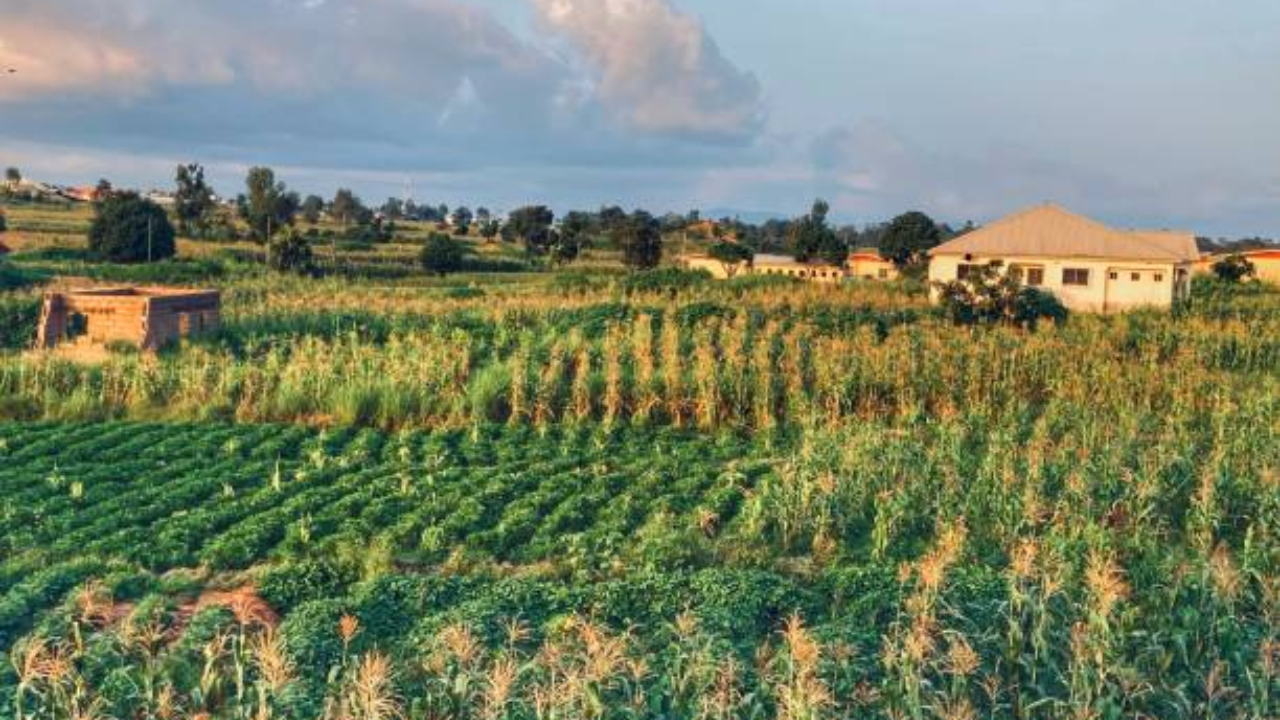
Home to several agricultural commodities, Borno is a top producer of maize, yam, cassava, sorghum, cowpea, millet, sweet potato, and rice. Some of these crops were drivers of food inflation in the review period, including yams, cassava tubers, maize, and sweet potatoes.
According to the NBS, food inflation in the review period was 21.14 per cent, down 19.52 points from its value in May 2024 (40.66 percent). Also, on a month-on-month basis, it dropped from 21.26 per cent in April.
“In May 2025, the headline inflation rate eased to 22.97 percent relative to the April 2025 headline inflation rate of 23.71 percent,” the report added.
BusinessDay