

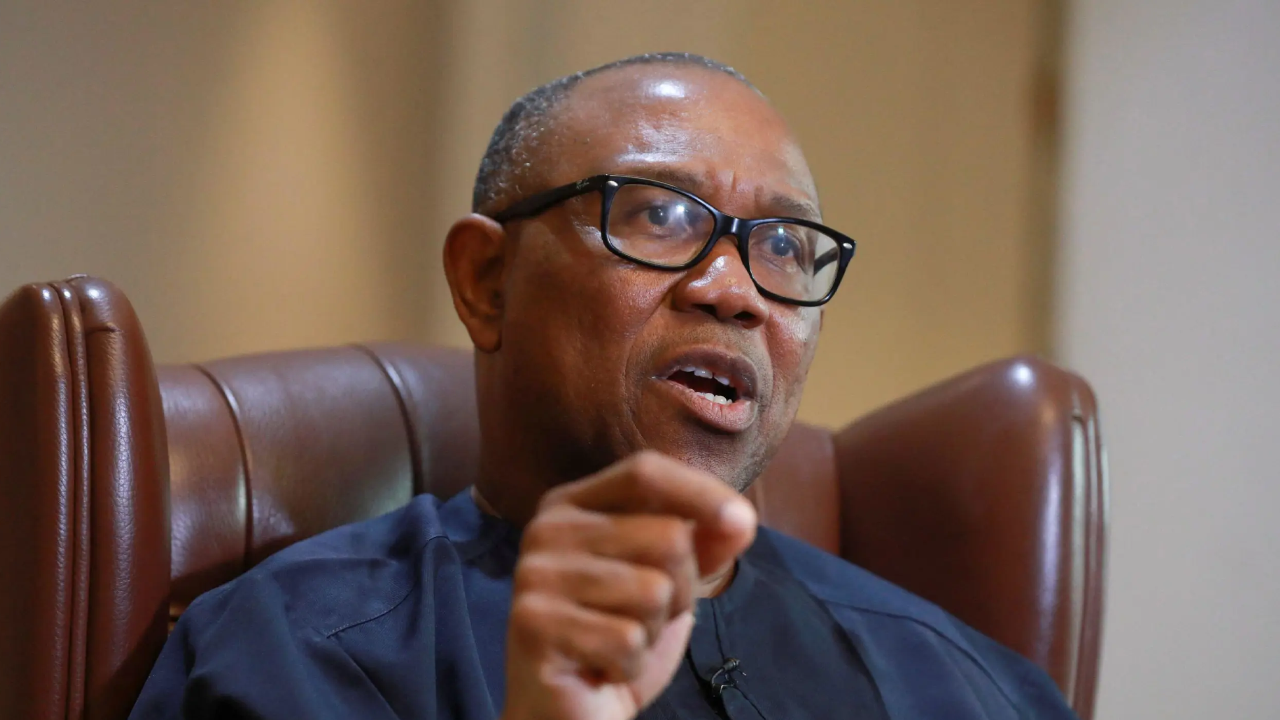

Nigerian Democratic Congress (NDC) presidential candidate Peter Obi has refuted claims that he urged Nigerian soldiers to reject a salary increase recently approved by President Bola Tinubu, dismissing the report as entirely false.
In a statement published on his X account on Tuesday, the former Anambra State governor called on the public to disregard the claims. He reaffirmed his commitment to the welfare of security personnel, stating: “I wish to address a recent report that falsely attributes a statement to me, suggesting that Nigerian soldiers should refuse any salary increments until after the elections. This assertion is entirely untrue.”
The denial comes after President Tinubu approved a pay rise ranging between 30 and 80 per cent for roughly 250,000 armed forces personnel, set to take effect on 1 September 2026. According to Special Adviser on Information and Strategy Bayo Onanuga, the increase will raise the military’s annual wage bill from ₦660 billion to ₦924 billion.
He stressed that his respect for the armed forces remains unwavering and highlighted his ongoing advocacy for better equipment, motivation, and protection for troops operating under difficult conditions. Recalling a previous incident where soldiers died after delayed rescue efforts during an insurgent attack, he questioned how those tasked with national defence could be left so vulnerable.
He promised a shift in policy should he win the presidency and assured that the well-being and honour of military personnel would be a primary focus. “Under my leadership, scenarios where our servicemen and women are left unprotected in the face of peril will be eradicated,” he pledged, adding that those who secure the nation must never be treated as a secondary concern.