

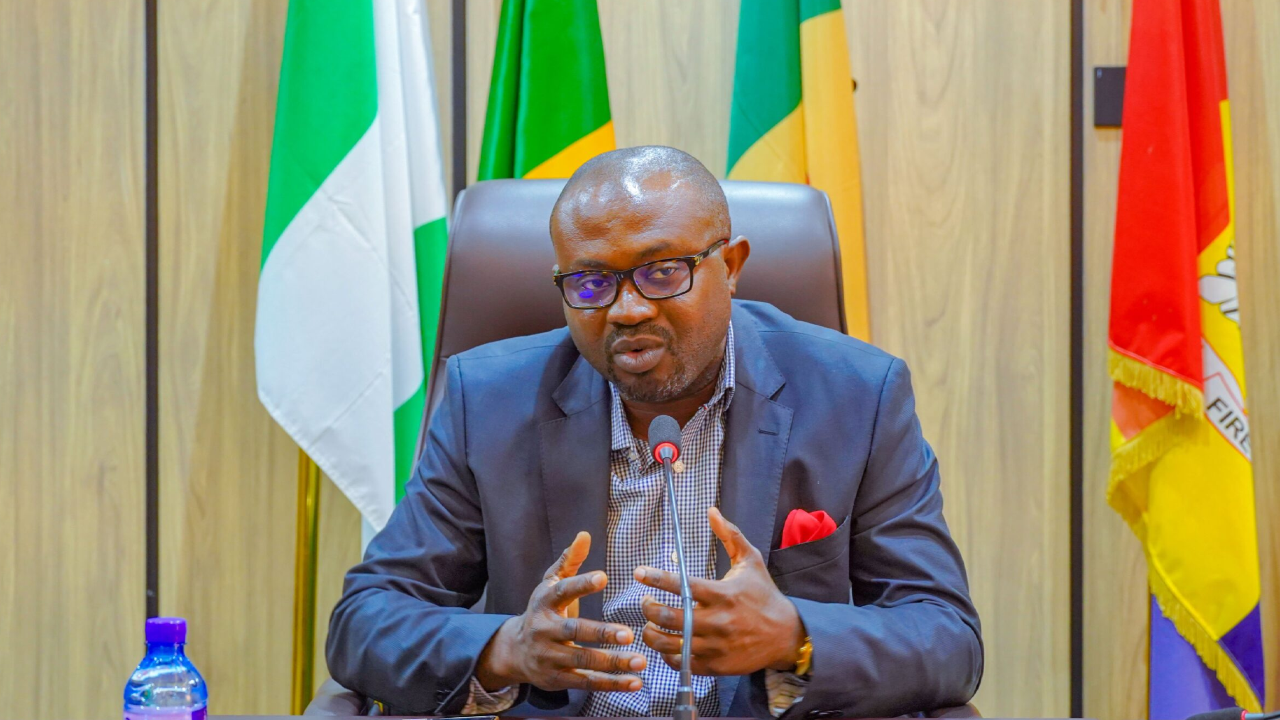

Interior Minister Olubunmi Tunji-Ojo on Saturday announced a 10-member independent panel to investigate the deaths of the 37 suspected illegal miners in Nigeria Security and Civil Defence Corps (NSCDC) custody in Niger State, as directed by President Bola Tinubu, and promised strict measures against anyone found culpable.
The victims died on Thursday, 17 September 2026, while being detained by the corps’ Niger State Command, though official sources have yet to verify what caused the fatalities.
Chaired by Jonathan Kure, a retired Deputy Director-General of the Department of State Services, the panel brings together figures from law, medicine, human rights, and regional administration. Professor Isa Hayatu Chiroma (SAN), former head of the Nigerian Law School, will act as secretary, alongside human rights lawyer Deji Adeyanju, Miners Association representative Alhaji Liman Sulaiman, and Histopathology specialist Professor Olayinka Buhari.
The committee is further rounded out by retired police assistant inspector-general Hosea Hassan Karma, Blueprint Newspaper’s Zainab Suleiman Okino, analyst Dr George Agbakahi, and representatives from both the Minna Emirate Council and the Niger State Government.
The committee’s mandate involves identifying the victims, probing the legality and conditions of their confinement, identifying negligence or misconduct, assessing compensation claims, and proposing steps to prevent future occurrences. To carry out its mandate, the panel has full authority to gather public submissions, visit facilities, examine records, and co-opt technical experts before submitting its findings within a two-week deadline.
Tunji-Ojo issued a stern warning against any interference with the investigation.
“Any attempt to destroy or conceal evidence, intimidate witnesses or obstruct the investigation will be treated as a serious offence,” he said.