


Nigeria has warned that continued fighting in the Red Sea risks triggering global economic turmoil, urging all parties involved in the Middle East crisis to immediately pull back from further escalation.
In a statement released on Sunday, the Federal Government cautioned that ongoing hostilities threaten a vital international trade corridor, compounding existing strains caused by tension in the Strait of Hormuz and the war in Ukraine.
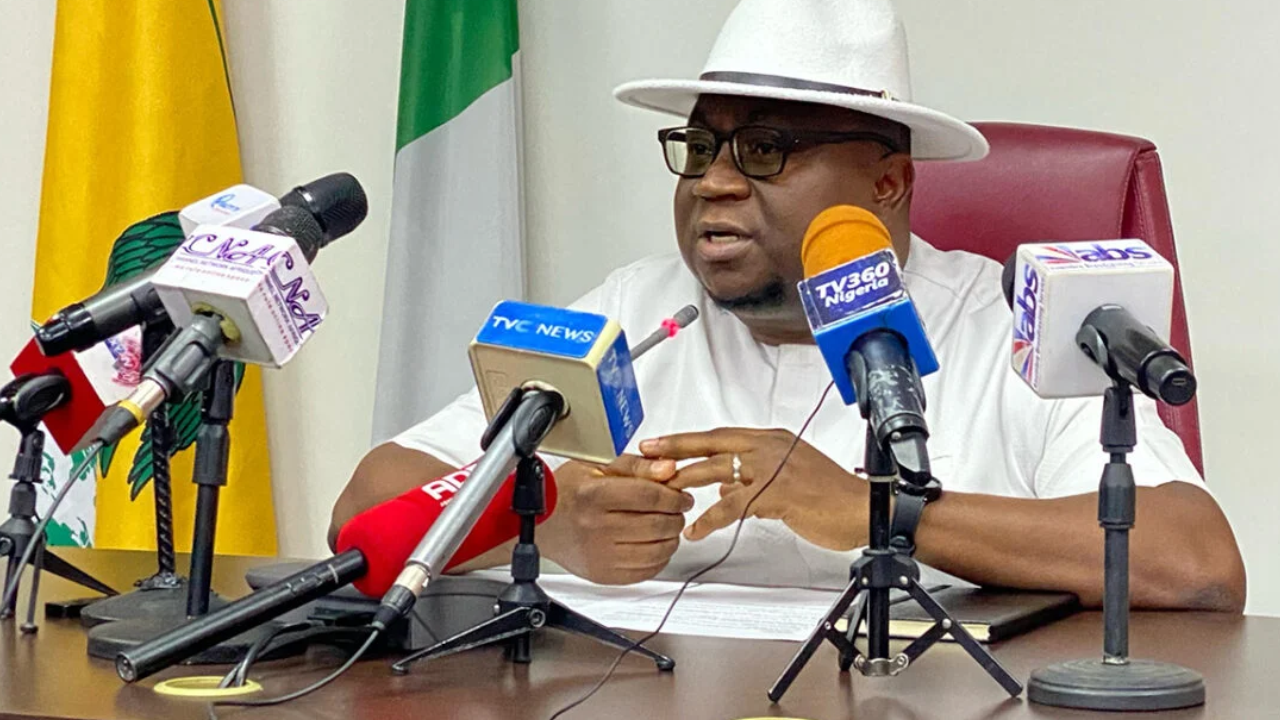
Addressing journalists in Abuja on Monday, Foreign Affairs Ministry spokesperson Kimiebi Ebienfa stated that while Nigeria remains neutral, it is deeply concerned about the regional volatile environment. He highlighted that a prolonged blockade of the Bab al-Mandab Strait or wider Red Sea disruptions would carry “direct and severe consequences for global oil supply chains.”
Commercial shipping is already feeling the strain, with vessel attacks leading to soaring freight rates, higher insurance costs, and lengthy reroutings around Africa’s Cape of Good Hope, which are factors driving up global crude prices. Expressing sympathy with Saudi Arabia following strikes on its oil infrastructure, Nigeria noted that such instability hits developing nations hardest by disrupting revenues and inflating energy costs.
Beyond economic implications, Ebienfa highlighted the human toll, pointing out that thousands of Nigerians employed in the Gulf’s healthcare, education, and energy sectors face growing uncertainty. Expressing concern over the potential regional fallout, he stressed: “So we just want peaceful resolution of issues because of the adverse effect that we have on other parts or other nationalities in the world.”
The warning extends to potential long-term disruptions to Nigeria’s own exports. While supply bottlenecks elsewhere might briefly boost demand for Nigerian crude, Ebienfa acknowledged that wider shipping delays will inevitably hit the nation’s oil and liquefied natural gas shipments.
“If they are stranded there, it will affect the supply chain. It’s the same seagoing vessels that move to different ports in the world. So if they are trapped in a particular location, it will affect the cost of maritime transportation in the world,” he explained.
Reflecting on recent diplomatic engagements with Qatar and the United Arab Emirates, the government reaffirmed its strong ties with Middle Eastern nations and called on the Houthis, Saudi Arabia, Iran, and the United States to show restraint. While welcoming a recent pause in U.S.-Iran hostilities following 13 days of conflict, Nigeria urged all sides to utilize UN-backed diplomatic channels to restore safe navigation across critical waterways.
“The time for de-escalation is now. The stability of global oil markets and the well-being of nations worldwide depend on it,” the ministry concluded.