

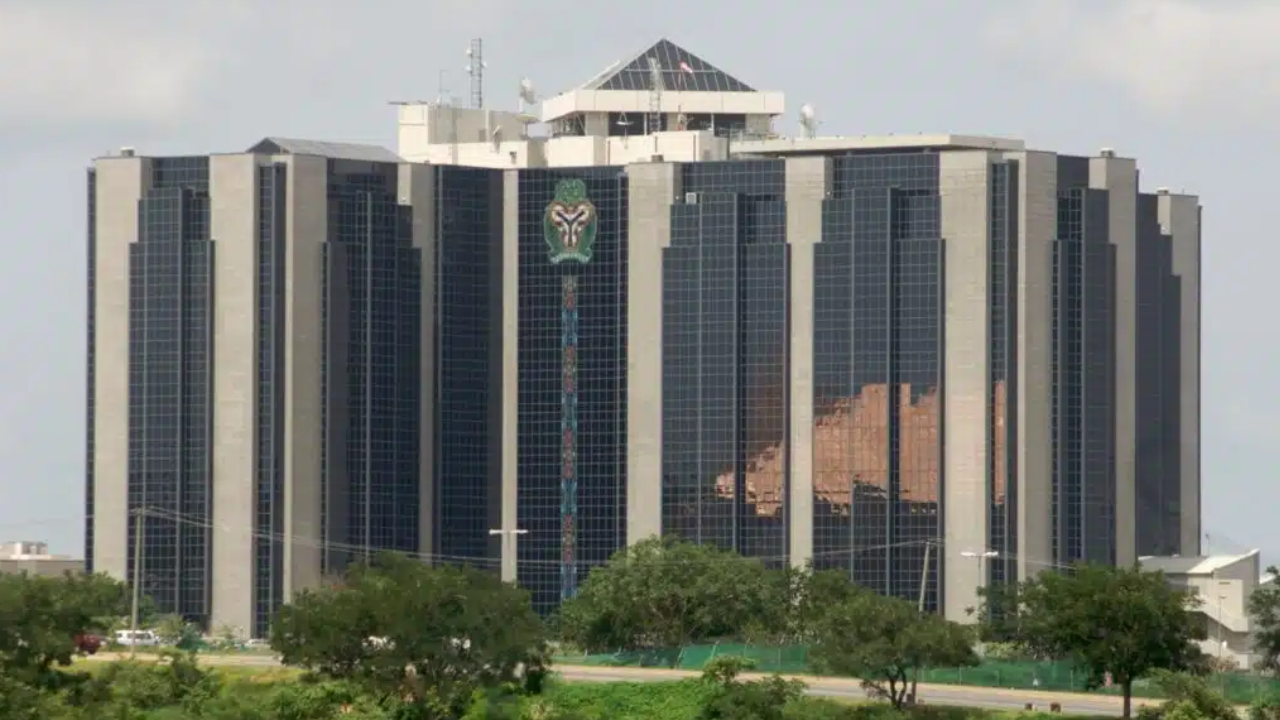

In a major shift designed to streamline liquidity management, the Central Bank of Nigeria (CBN) has relaxed rules that previously blocked banks participating in foreign exchange trading and government bond auctions from accessing its short-term lending facility.
The changes were announced in a circular dated 12 August 2026, signed by Okey Umeano, Acting Director of the Financial Markets Department. The apex bank confirmed it had reviewed existing practices across the foreign exchange, money, and fixed-income markets before revising the framework governing its Standing Lending Facility, tenored repurchase (repo) operations, and Open Market Operations (OMO).
Under the new directives, commercial banks and authorised dealers will no longer be disqualified from the Discount Window simply for taking part in foreign exchange or government debt sales.
“Restrictions on access to the Discount Window arising from participation in the Nigerian Foreign Exchange Market are hereby removed,” the circular stated, adding that “Restrictions on access to the Discount Window arising from participation in the primary auctions of Government securities are hereby removed.”
However, the central bank maintained one key safeguard to preserve market stability, confirming that “The existing restriction on participation in OMO auctions by institutions accessing the Discount Window on the same day shall remain in force.”
As part of the operational overhaul, the CBN also lifted a long-standing suspension on tenored repurchase agreements, enabling it to conduct repo transactions spanning 4 to 90 days. The move provides lenders with additional flexibility to manage cash reserves beyond standard overnight facilities.
Furthermore, access to OMO instruments has been broadened to include individual investors, corporate entities, and non-bank financial institutions, with transactions continuing to be routed and settled through deposit money banks. “OMO participation (primary and secondary markets) shall be open to all eligible investors through Deposit Money Banks,” the circular noted.