


The Presidency has set a deadline of 5:00 pm today, Thursday, 13 August 2026, for public submissions on the proposed National Policing Bill, as the administration seeks public input on the planned creation of state police forces.
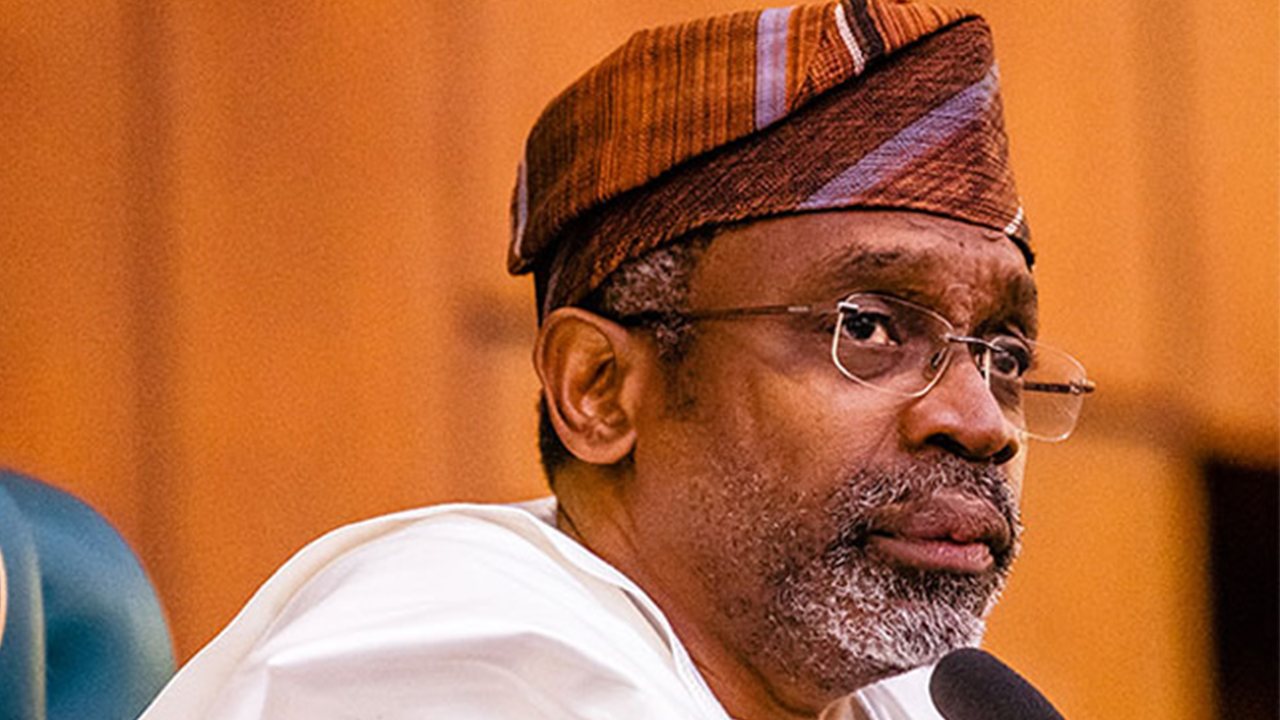
Femi Gbajabiamila, Chief of Staff to the President and Chairman of the Presidential Working Group on the National Policing Bill, announced the closing of consultations on Wednesday. He stressed that the exercise is designed to draw on public expertise to resolve core challenges, including oversight, intelligence-sharing across state lines, police misconduct, and political interference. Gbajabiamila assured that the feedback will complement, rather than replace, the National Assembly’s statutory authority to scrutinise, amend, or reject the final bill.
“For too long, the debate has been framed as a choice between effective local policing and protection from political abuse,” Gbajabiamila said. “Nigeria needs both.”
The former Speaker of the House of Representatives noted that while state police could improve response times and intelligence gathering due to officers’ familiarity with local languages and geography, its proximity to state governments poses genuine risks.
“Proximity does not guarantee justice,” he warned, stressing that the design of the law must address concerns that governors could deploy state forces against political rivals, dissenting voices, journalists, or minority groups.
To mitigate these risks, the proposed legislation will outline comprehensive safeguards, clear operational parameters, independent oversight bodies, and strict recruitment, training, and equipment standards. Gbajabiamila emphasised that state forces must remain bound by the constitution and human rights standards, ensuring that unlawful orders are easier to resist and misconduct is transparently investigated.
Establishing state police requires a constitutional amendment, as Section 214 currently mandates a single Nigeria Police Force. Although both chambers of the National Assembly have approved proposals for dual federal and state police structures, the process remains unfinished.
The amendment must still clear its final parliamentary stages and secure approval from at least 24 of the 36 state Houses of Assembly before being presented for presidential assent. Gbajabiamila clarified that state police will remain purely hypothetical until all legislative requirements are met. Furthermore, even if the constitutional amendment and the National Policing Bill pass into law, state police will not automatically deploy nationwide.
“Each state that chooses to establish a service will still need its own enabling law, institutions and funding,” Gbajabiamila explained, noting that states must fulfill national operational criteria before deploying officers, while those unprepared will continue to rely on the Nigeria Police Force.