


The Federal Government has ruled out any immediate rise in electricity tariffs, pledging instead to focus on boosting power supply, rolling out universal metering, and guaranteeing that consumers are billed only for power used.
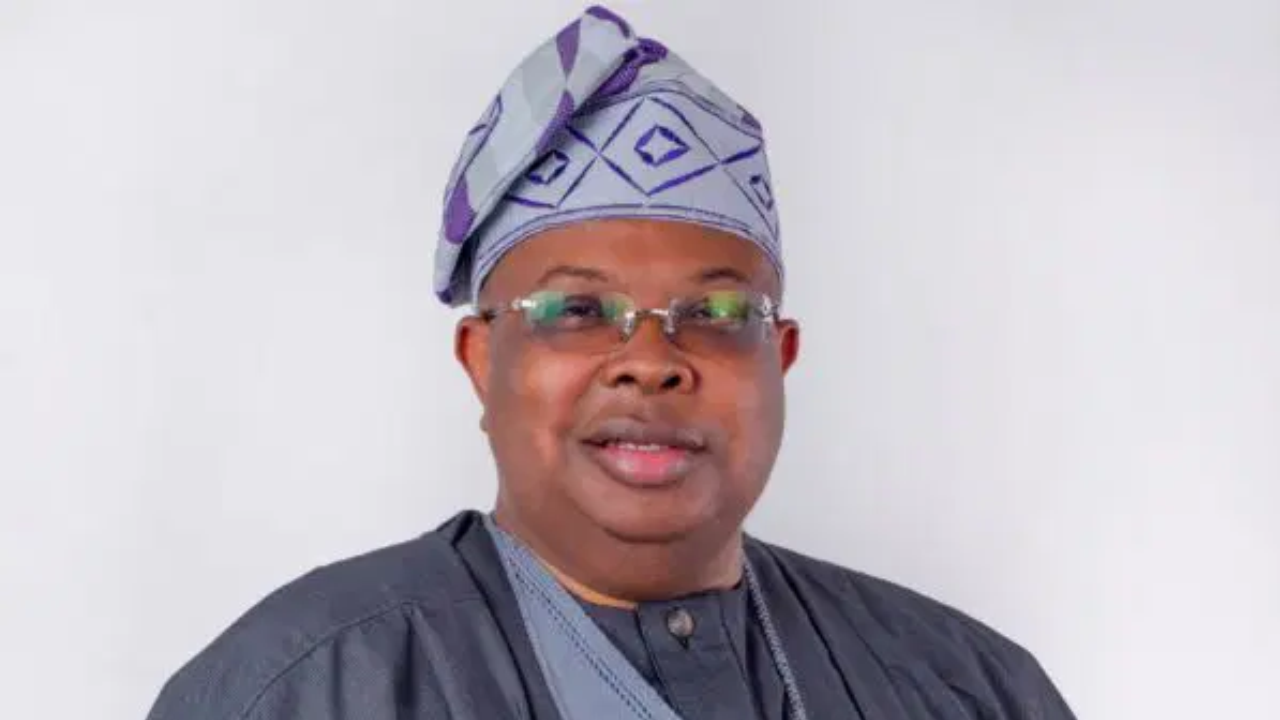
Speaking at a media roundtable in Lagos on the resetting of Nigeria’s power sector, the Minister of Power, Joseph Tegbe, dismissed public speculation over impending tariff hikes. He stressed that the administration’s immediate focus remains on service delivery and consumer protection rather than increasing costs.
“First, there is no policy by this administration to increase electricity tariffs beyond its current level. Our priority is not tariff increase in the immediate term. Our priority is service improvement, universal metering and ensuring Nigerians pay only for the electricity they actually consume,” Tegbe stated.
He added: “Indeed, the Federal Government will continue to examine additional mechanisms for protecting vulnerable consumers whilst simultaneously improving the financial sustainability of the market.”
The reform framework builds on the Electricity Act and enables states to set up localised electricity markets tailored to their economic needs. Simultaneously, the Federal Government is pushing ahead with a Power Sector Bond initiative aimed at clearing legacy debts owed to power generation companies, gas suppliers, and key industry stakeholders.
As part of the sector’s long-term overhaul, plans were announced for a technical audit of the national transmission network, the alignment of federal and state regulatory frameworks, and strategic grid investments across the Lagos, Enugu–Port Harcourt, and Abuja–Kaduna–Kano corridors, alongside a ‘Super Grid Programme’ to strengthen transmission capacity.
Central to these reforms is the Presidential Metering Initiative, which aims to phase out estimated billing through widespread meter deployment. To support this rollout, the government inaugurated the ‘Power Force’ scheme, which will recruit 5,000 young Nigerians to install meters while receiving technical training via the National Power Training Institute of Nigeria.
The minister revealed that electricity generation has held steady at 5,000 megawatts over the past fortnight, driven by enhanced operational coordination, higher plant availability, and improved integration across the supply chain.
“Although much work remains, enhanced operational coordination, improved plant availability and better engagement across the value chain are beginning to produce measurable improvements,” Tegbe noted.
However, Tegbe cautioned that higher generation alone would not resolve Nigeria’s energy deficit without parallel progress across transmission, distribution, and revenue collection.