

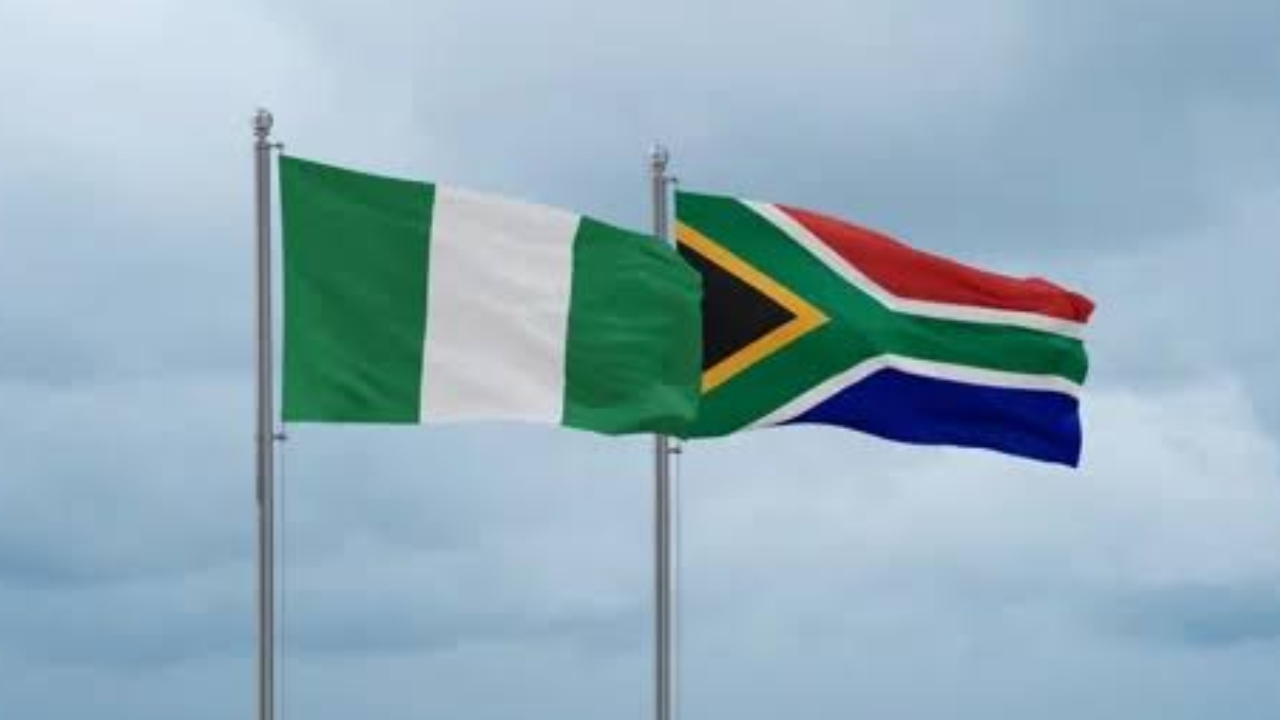

Diplomatic friction between Africa’s two largest economies reached a new low on Monday after President Bola Tinubu refused to grant an audience to a high-level South African delegation, redirecting the envoys instead to a lower-level meeting with the Minister of State for Foreign Affairs, Ambassador Sola Enikanolaiye.
The special delegation, dispatched by South African President Cyril Ramaphosa and led by Minister of International Relations Ronald Lamola, had arrived unannounced in Abuja on Friday hoping to douse escalating tensions over a fresh wave of xenophobic violence against Nigerians.
However, Nigerian officials rebuffed the request for a presidential meeting. Foreign Affairs Minister Bianca Odumegwu-Ojukwu, speaking from Addis Ababa, advised against the audience, arguing it was inappropriate while attacks on Nigerian nationals and businesses were actively ongoing.
The forced shift in protocol framed a tense, blunt exchange at the Foreign Affairs Ministry, where the Federal Government strongly condemned the recurring violence and demanded Pretoria take immediate, concrete measures to protect foreign nationals.
Addressing the South African delegation, Amb Enikanolaiye expressed deep disappointment over what he termed a persistent 30-year pattern of targeted violence, noting that 98 Nigerians have been killed in mob actions since 2022 alone. Reminding the envoys of Nigeria’s historical role in dismantling apartheid and building continental partnerships, he warned that state security forces appearing to stand by during attacks raises serious questions of state complicity.
While affirming that Abuja does not condone criminality, Enikanolaiye insisted that suspect foreign nationals must be handled legally rather than targeted by vigilantes.
“The Nigerian government will not support drug peddlers, but what we are saying is that anyone accused of an offence should be treated in accordance with your constitution, international human rights instruments and the minimum requirements of humanity.”
Reflecting on past evacuations, which saw nearly 1,500 Nigerians repatriated, the minister described the human toll, recalling his anguish at seeing women and children returned destitute after their businesses were looted. Over 1,000 citizens have already registered for voluntary repatriation following the latest violence that erupted in April.
In response, Lamola maintained that President Ramaphosa remains committed to opposing all forms of intolerance, whilst standing firm on South Africa’s right to enforce domestic laws.
“President Ramaphosa has also been very firm on South Africa’s sovereign right to enforce immigration laws, including dealing decisively with irregular migration, undocumented immigrants and acts of criminality committed within our borders.”
Lamola framed migration as a shared continental problem, expressing hope that continued bilateral talks would resolve the rift. However, political pressure within Nigeria continues to mount. Parliament has already moved to sanction South African interests, with the House of Representatives advocating the suspension of business permits for South African firms operating in Nigeria, and the Senate dispatching a formal protest delegation to Pretoria.